Can an Air Cushion Film Manufacturer Improve Packing Speed?
-
 author
- 18th September 2026
An air cushion film manufacturer can improve packing speed when it treats the film, inflation equipment, carton, and product mix as one operating system. A roll that inflates reliably but creates the wrong cushion size may still slow packers. A fast machine paired with an unsuitable film can cause weak seals, excess material use, or frequent adjustments. The goal is a repeatable setup that gives operators suitable void fill or wrapping material with minimal handling.
How an Air Cushion Film Manufacturer Supports Packing Speed
Packing speed includes the time spent loading a roll, setting inflation, tearing sections, positioning material, correcting poor seals, and replacing rejected packs. A steady line repeats a suitable pack pattern with little intervention.
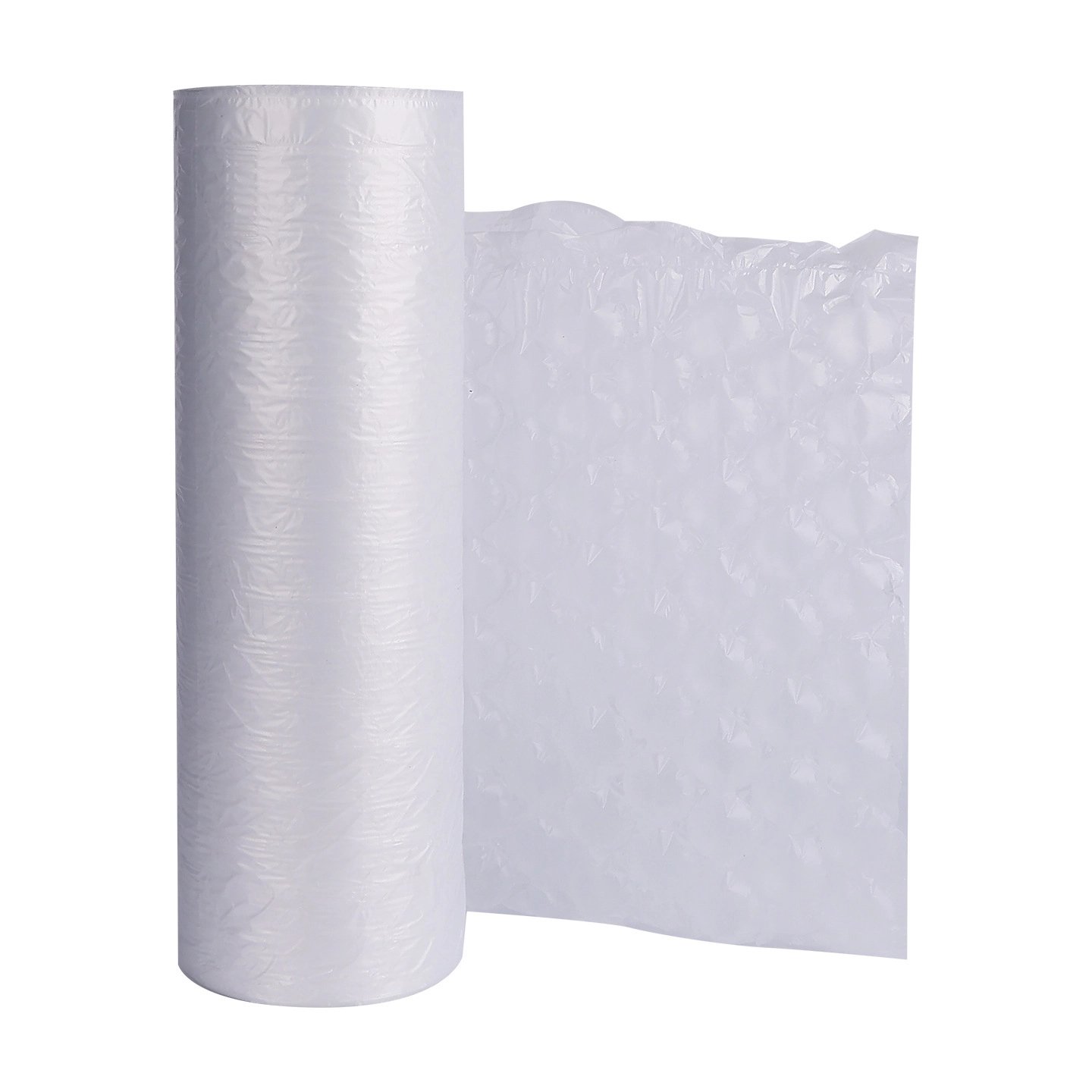
A capable manufacturer should therefore begin with the packing task. PAC·ZELON’s air cushion film range includes connected multi-chamber formats made for on-demand inflation. Different structures can support void fill, wrapping, blocking, or light bracing. Selecting the format around the carton gap and product surface reduces the number of folds, tears, and repositioning steps at the station.
Film dimensions also affect operator rhythm. A chamber that is too small may require several pieces for one carton. A chamber that is too large may be awkward to place or may encourage overfilling. The manufacturer should translate product dimensions, weight, carton size, and the direction of likely movement into a short list of trial formats rather than proposing one roll for every SKU.
Match the Film and Inflation Equipment as a System
Air cushion film is converted into usable packaging at the workstation, so equipment fit is part of the material specification. Roll width, core fit, film path, sealing behavior, perforation spacing, and inflation level all influence whether the line runs steadily. Buyers should not assume that any roll with similar dimensions will behave the same on an existing machine.
The manufacturer should document the proposed roll construction and the starting machine settings used for the trial. PAC·ZELON’s current product information recommends filling its air cushion film to about 70%-80% of capacity. That range leaves the chambers flexible enough to deform under contact instead of becoming unnecessarily rigid. The final setting still needs to be checked with the actual film format, equipment, product, and carton.
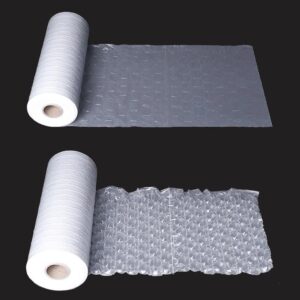
A useful operating window is more valuable than one ideal setting. Packers need to know what acceptable cushions look like, when a seal or chamber is outside the agreed range, and which adjustments they may make. Clear limits reduce troubleshooting during shift changes.
Group SKUs Before Designing the Packing Method
High-volume fulfillment lines often process products with different dimensions and fragility. Trying to create a unique method for every item can slow training and make replenishment complicated. Using one universal pack can be just as inefficient because light, compact products and heavier, irregular products do not create the same void or protection need.
A better approach is to group products by the job the cushion must perform. One group may need quick top fill, another surface wrapping, and a third blocking on two sides. The manufacturer can then propose a small number of film formats and pack patterns for those groups. This keeps operator instructions short while preserving meaningful protection differences.
The same grouping also improves purchasing decisions. Buyers can compare film consumption per completed parcel, not only price per roll. PAC·ZELON’s guide to inflatable air cushion packaging and shipping cost explains why carton size, storage, material use, and damage all belong in the cost review. A faster pack that uses excessive film or a larger carton may not reduce total cost.
Run a Measured Packing-Line Trial
A line trial should use representative products, normal cartons, typical operators, and the intended inflation equipment. The trial should be long enough to include roll loading, routine tearing, pack placement, and at least one change between SKU groups. A short demonstration with a single easy parcel may hide the interruptions that matter during a normal shift.
The team can record average pack time, film used per parcel, rejected cushion sections, operator adjustments, and finished-carton movement. Protection should be checked separately through the buyer’s normal package-validation process. Speed is acceptable only when the completed pack still meets the product’s handling and transport requirements.
Trial results should lead to a simple work method. The document can state which film format applies to each SKU group, how many connected chambers are used, where they are placed, and what inflation appearance is acceptable. An air cushion film manufacturer can use these results to refine the production specification.
Control Repeat Orders and Process Changes
Packing speed can drift after the first successful trial if later rolls, settings, or pack instructions change without review. The purchase specification should identify the agreed material structure, thickness, roll length, chamber format, perforation, and other features that affect conversion at the station. It should also define how substitutions or specification changes will be communicated before shipment.
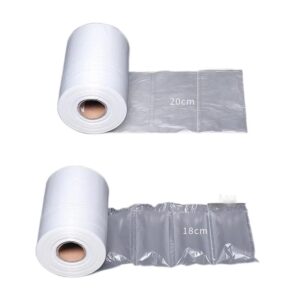
Replenishment planning matters as much as the first setup. Compact uninflated rolls can support efficient storage, but a packing line still needs practical stock levels and predictable reorder timing. Buyers should share expected monthly use, demand peaks, delivery destination, and whether they require stock or customized rolls. The manufacturer can then separate routine replenishment from changes that need a new sample or production schedule.
This operating discipline supports the broader advantages of packing air cushions for bulk shipments. The value comes from repeatable use across many parcels, not from the cushion alone. A stable film-and-machine setup helps protect packing speed when order volume rises or new operators join the line.
FAQs
Q: Can an existing air cushion machine run a new manufacturer’s film?
A: It may, but matching roll width is not enough. Give the manufacturer the machine brand, model, film path, core dimensions, and current roll specification. Request a trial roll and verify feeding, sealing, perforation, inflation consistency, and the finished pack before approving a change.
Q: When should a buyer choose PE+PA air cushion film instead of PE?
A: Route duration and air-retention needs are key. PAC·ZELON’s current product page lists about six to eight weeks of retention for its PE option under standard ambient conditions and four to six months for its PE+PA option. Buyers should still validate the selected structure under their own storage and shipping conditions.
Q: Does customized air cushion film require another line trial?
A: Recheck any change that can affect conversion or the finished cushion. PAC·ZELON lists options including thickness, roll length, perforation spacing, color, and logo printing. A change limited to appearance may have little operational effect, but a change to structure, gauge, dimensions, or perforation should be tested on the intended equipment and pack.
Plan a Faster Air Cushion Packing Setup
Share your product mix, carton sizes, current equipment, and packing targets with PAC·ZELON. Review the available air cushion film formats and contact the packaging team to request product information or discuss a trial for your line.
Table of Contents
Categories
Recent Posts
Can an Air Cushion Film Manufacturer Improve Packing Speed?
How Can Stretch Film Wholesale Lower Packaging Costs?
When to Switch to Machine Stretch Film Before Costs Rise
FAQ
What is your minimum order quantity (MOQ)?
Can I request samples before placing an order?
What are your typical lead times and shipping options?
Get a Free Quote