PAC·ZELON
Our Main Products
- Poly Mailer
- Bubble Mailer
- Protective Packaging
- Packing Tape
PAC-ZELON White Poly Mailers | Heavy Duty Self-Seal Shipping Bags
PAC-ZELON Biodegradable Poly Mailers | Eco-Friendly Compostable Shipping Bags
PAC-ZELON Poly Mailers with Handle | Convenient Courier Bags for Retail
PAC-ZELON Custom Printed Poly Mailers | Branded Packaging with Logo
PAC-ZELON Pink Metallic Bubble Mailers | Waterproof Shipping Envelopes
PAC-ZELON Rose Gold Holographic Mailers | Luxury Metallic Padded Bags
PAC-ZELON Holographic Pink Bubble Mailers | Shiny Laser Padded Envelopes
PAC-ZELON Kraft Paper Bubble Mailers | Eco-Friendly Padded Mailing Envelopes
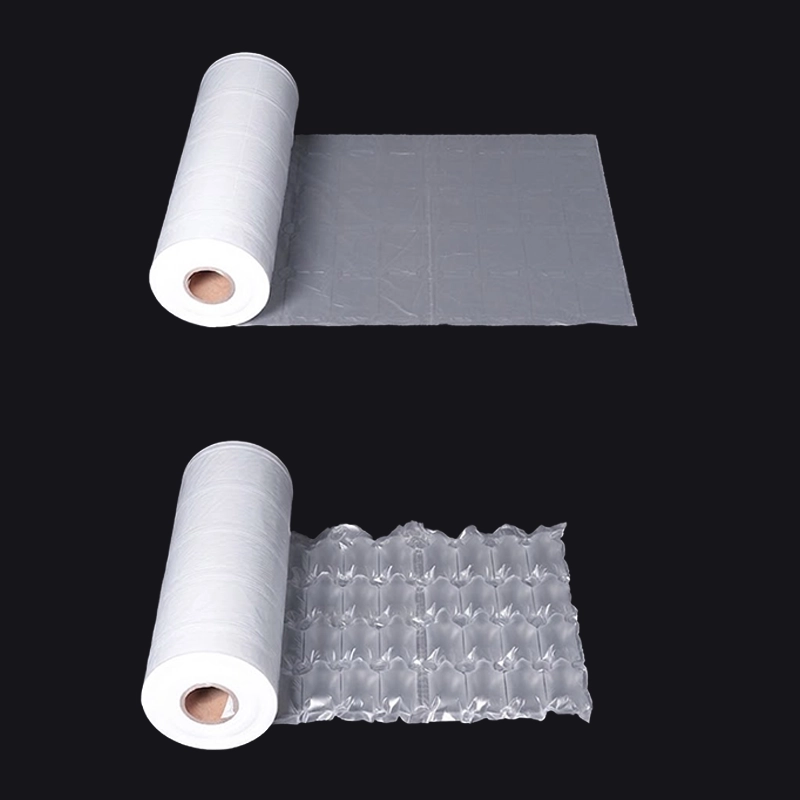
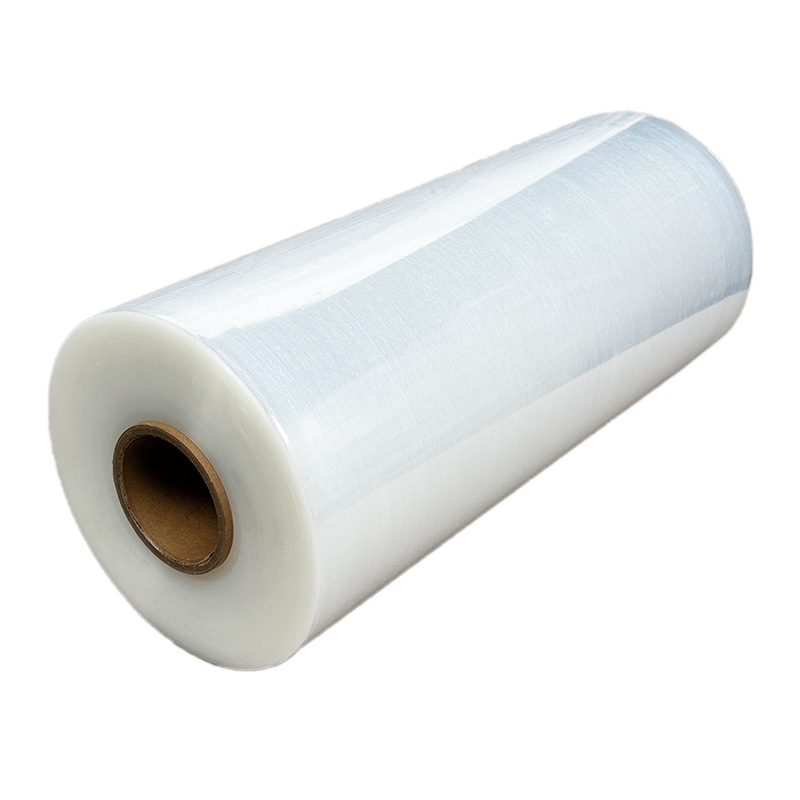
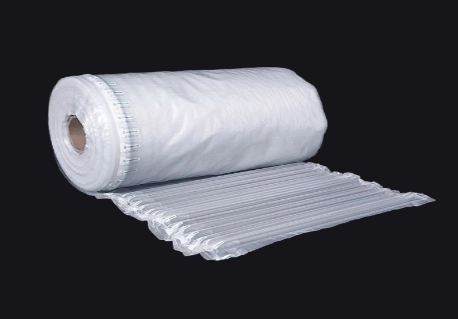
Bubble Wrap / Air Bubble Roll
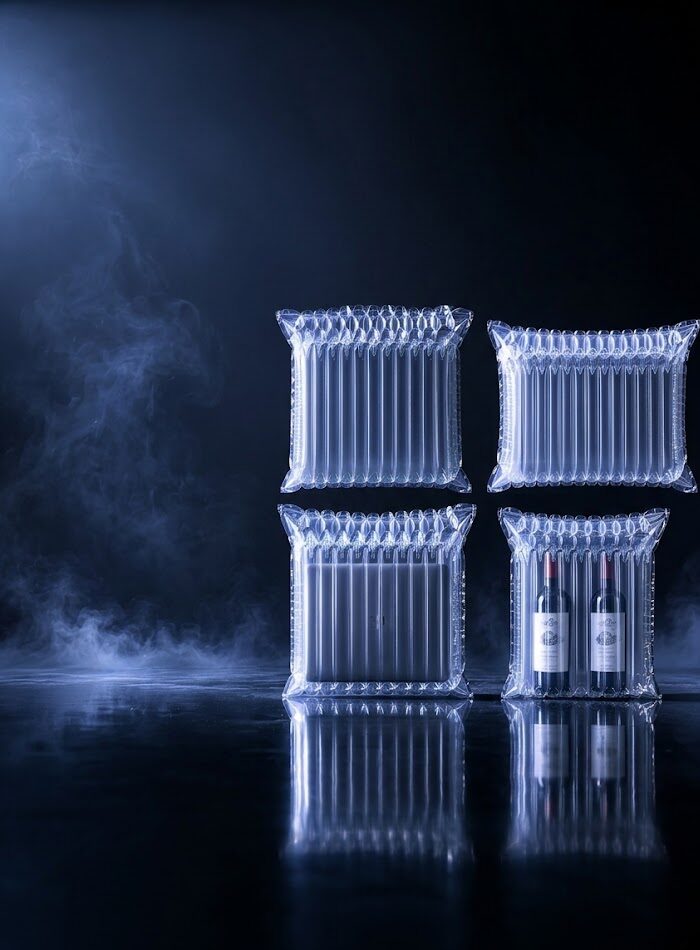
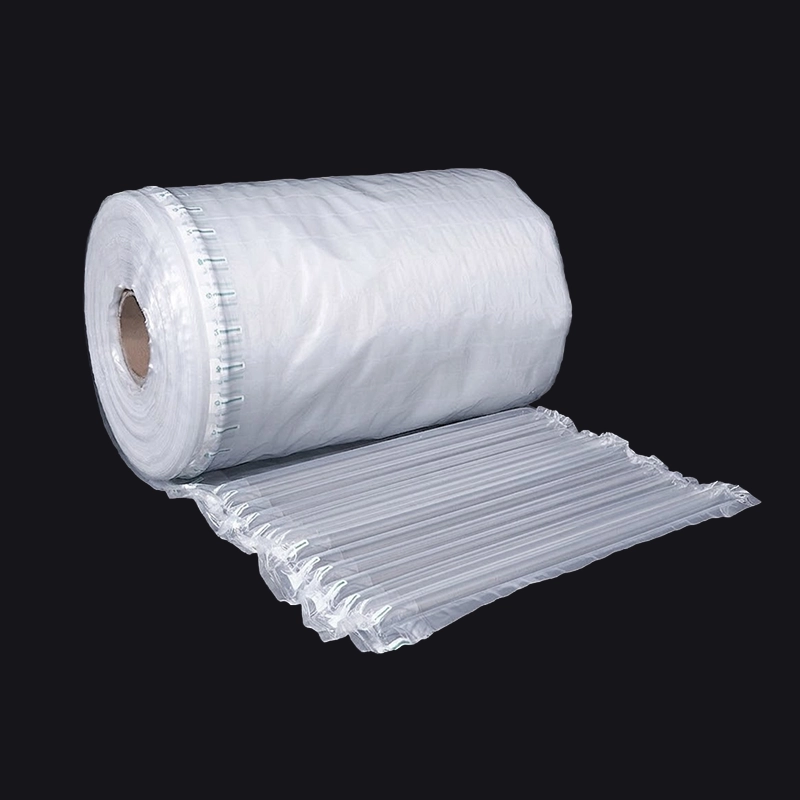
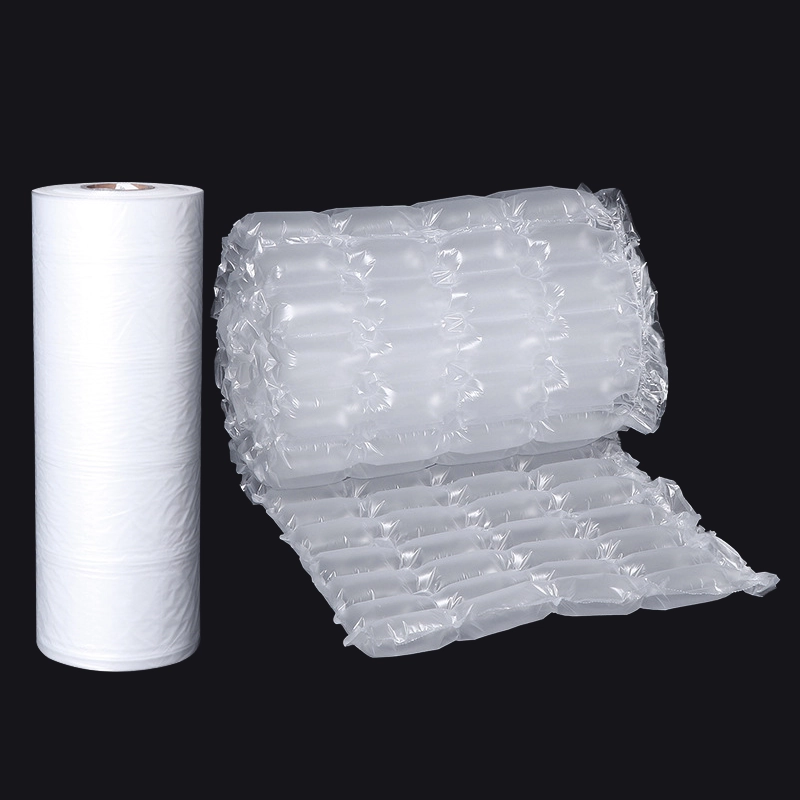
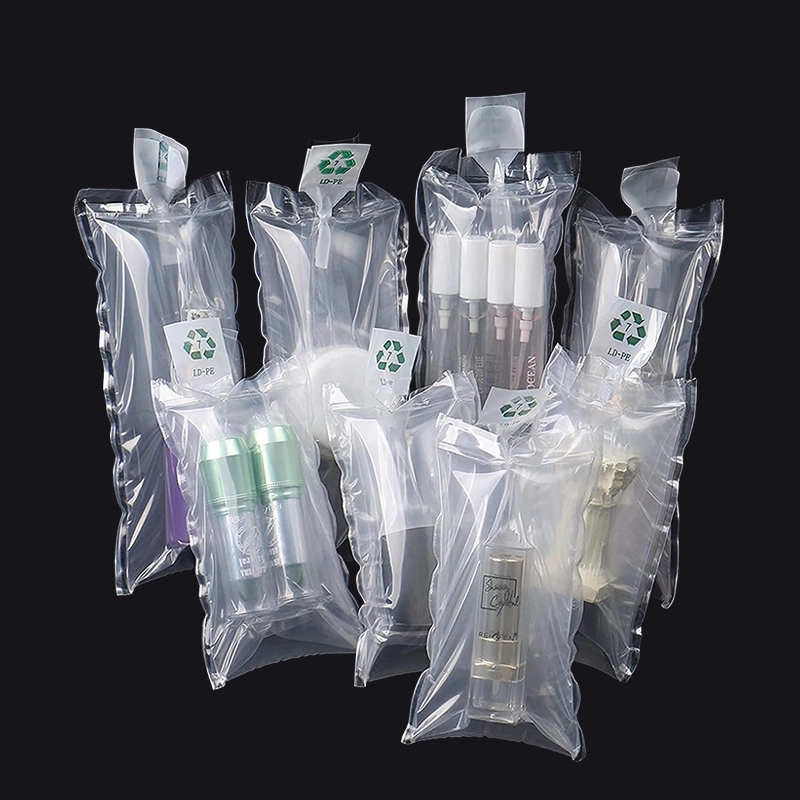
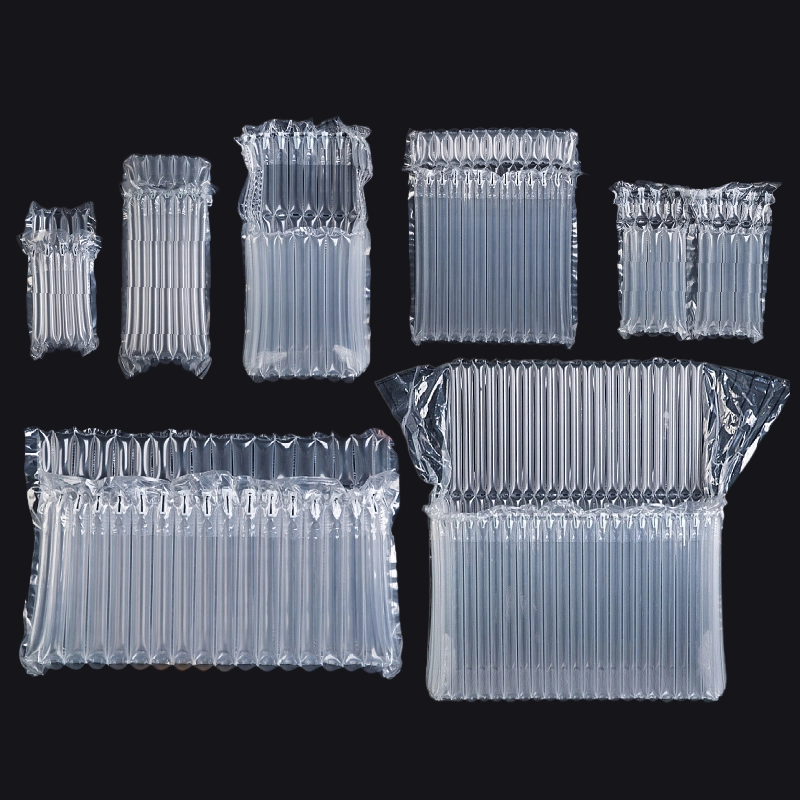
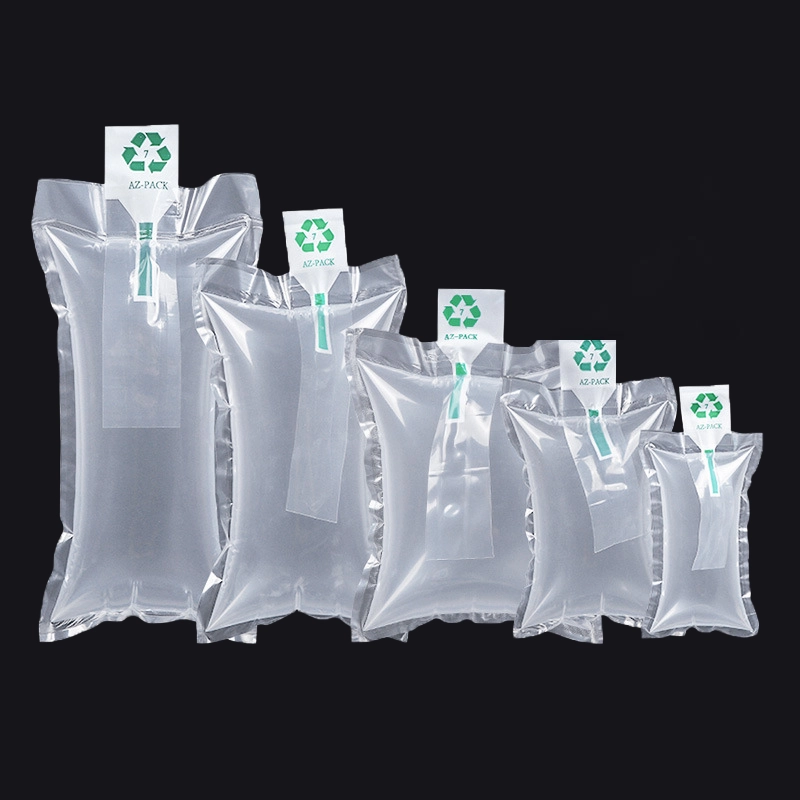
Air Column Bag / Air Buffer Bag
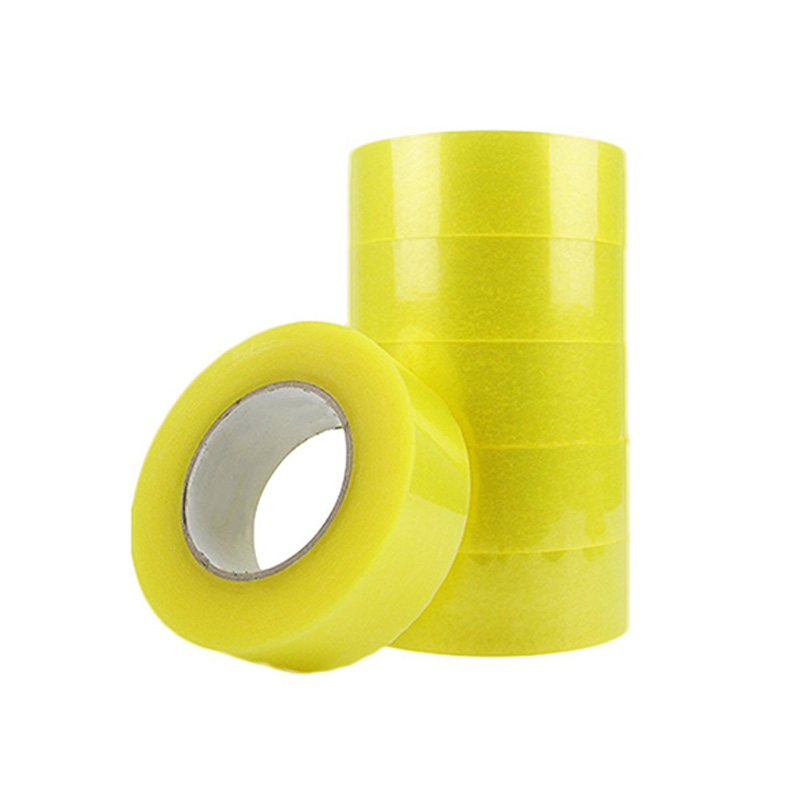
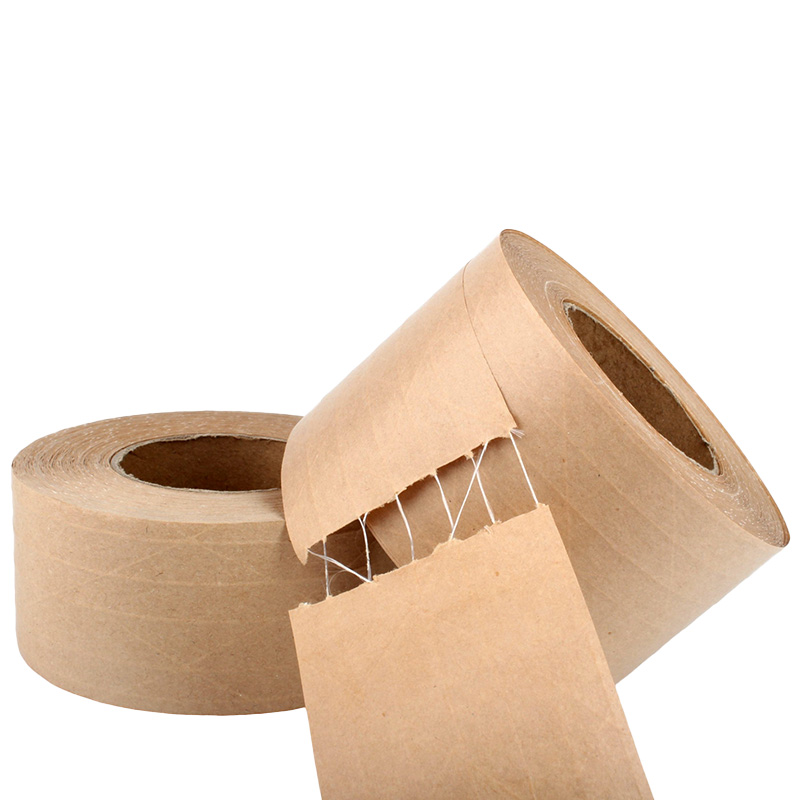
Low Noise / Silent Packing Tape
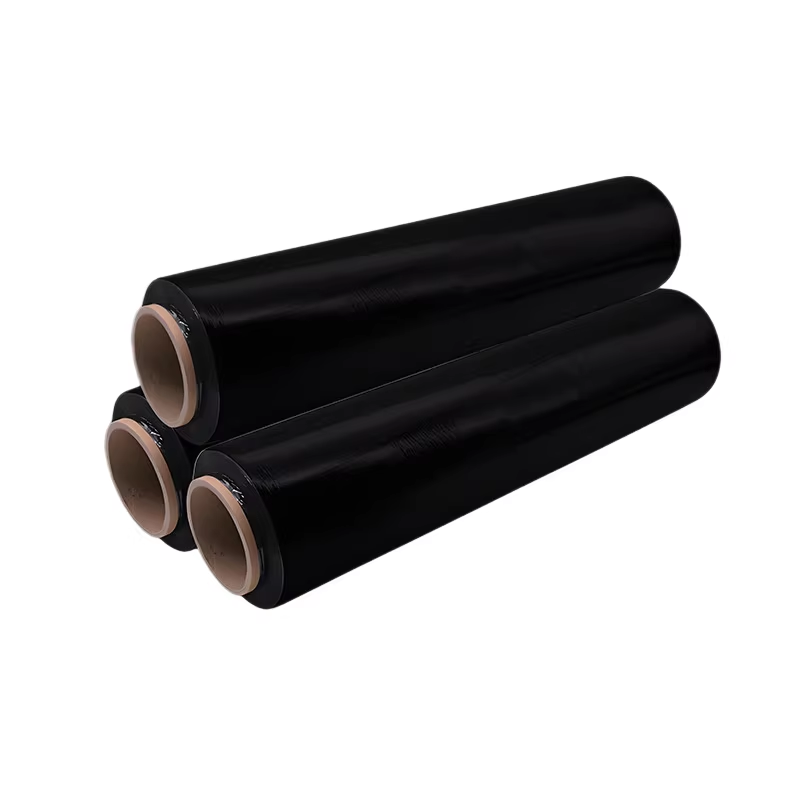
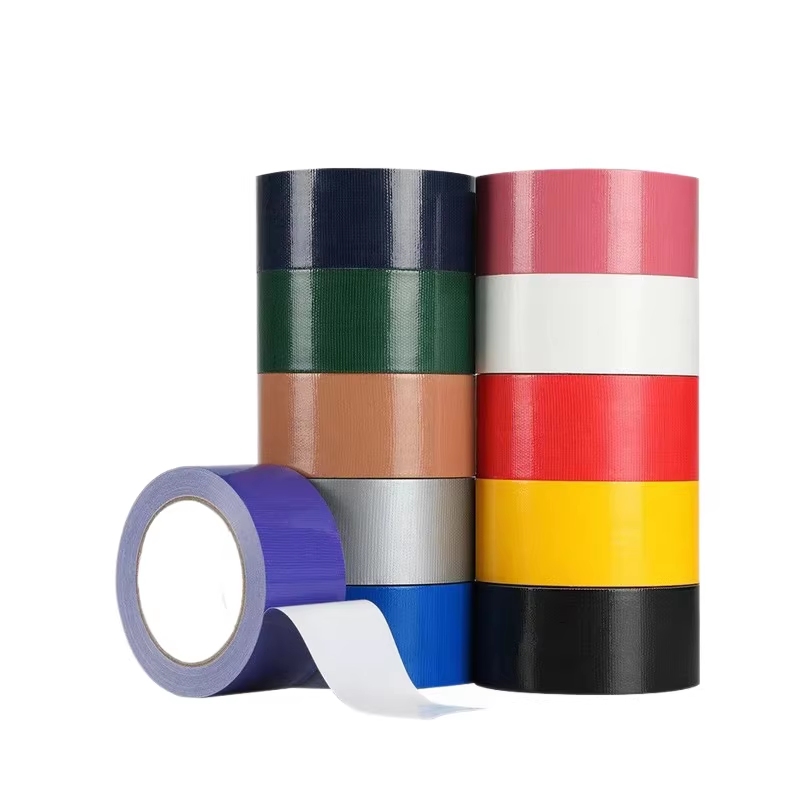
Heavy-Duty Cloth Duct Tape
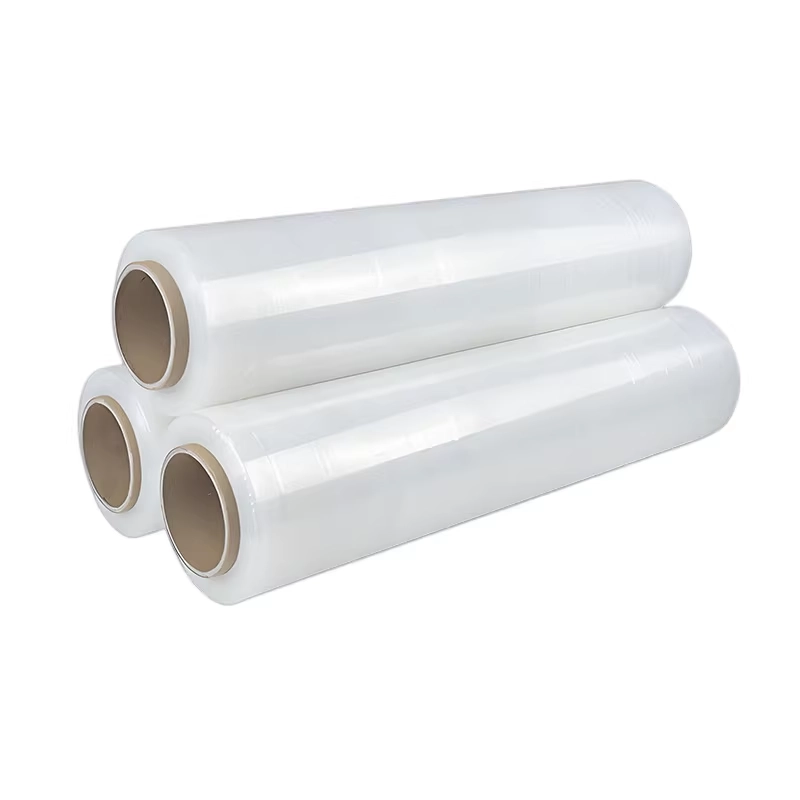
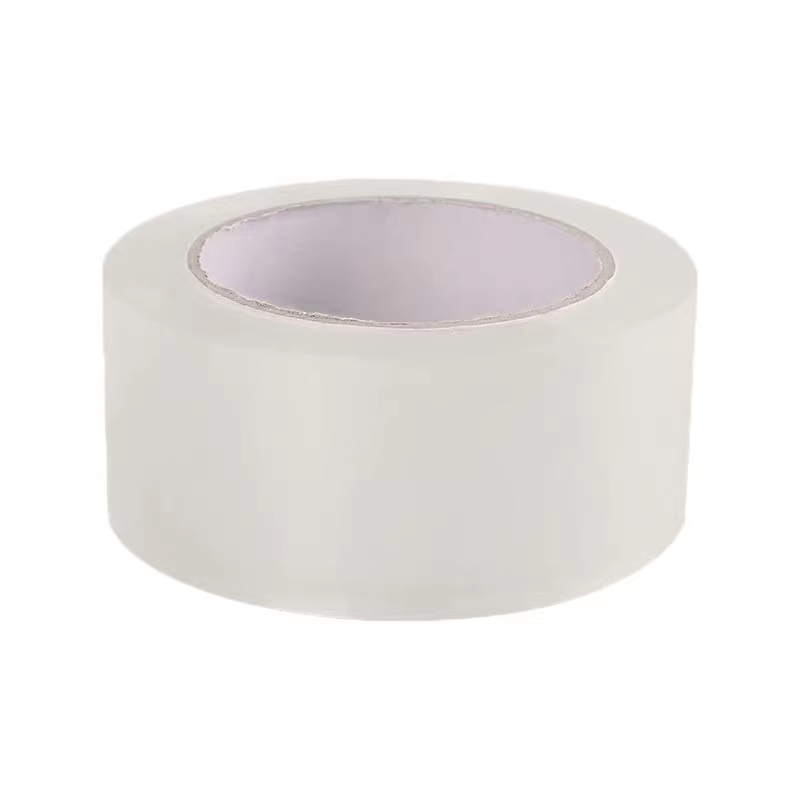
Clear BOPP Packing Tape
Custom Printed Brand Tape
our service
-
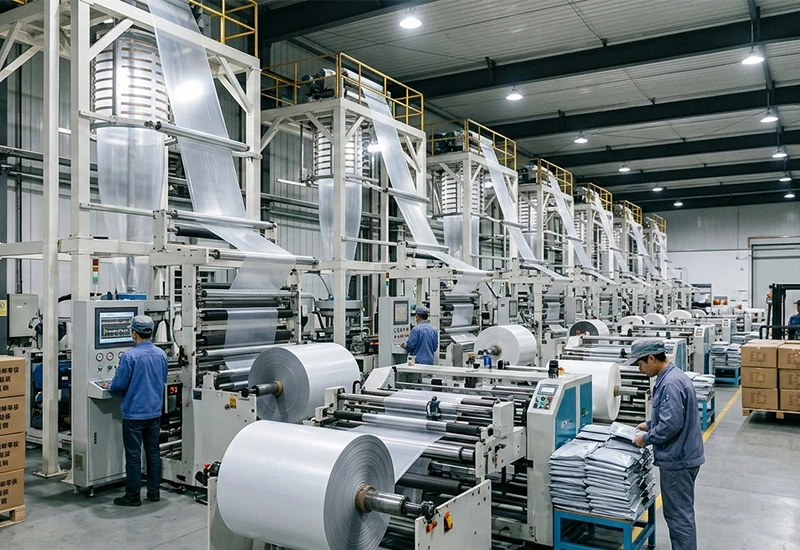
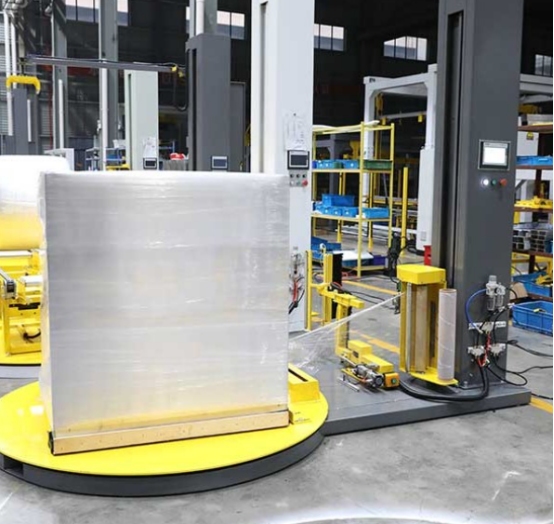
The Foundation of Value: Reliable Manufacturing at ScaleAs a direct manufacturer, PAC·ZELON operates high-capacity production lines dedicated to standard poly mailers and co-extruded shipping bags. By eliminating middlemen, we provide our D2C partners with the most competitive factory-direct pricing and flexible MOQs. Whether you need a simple bulk order or rapid-turnaround samples, our in-house QC team ensures that every batch meets rigorous industrial standards for thickness and sealing strength.View details
-
Beyond the Basics: Advanced Material & Functional IntegrationNot all shipping needs are standard. For brands requiring high-performance packaging—such as anti-static (ESD) shielding, arctic-grade cold resistance, or high-barrier protection—we leverage our decade-long expertise to integrate premium material supply chains across China. We don’t just “source” bags; we engineer solutions by selecting the optimal resins and additives, ensuring that even the most complex functional requirements are delivered under one unified quality standard.View details
-
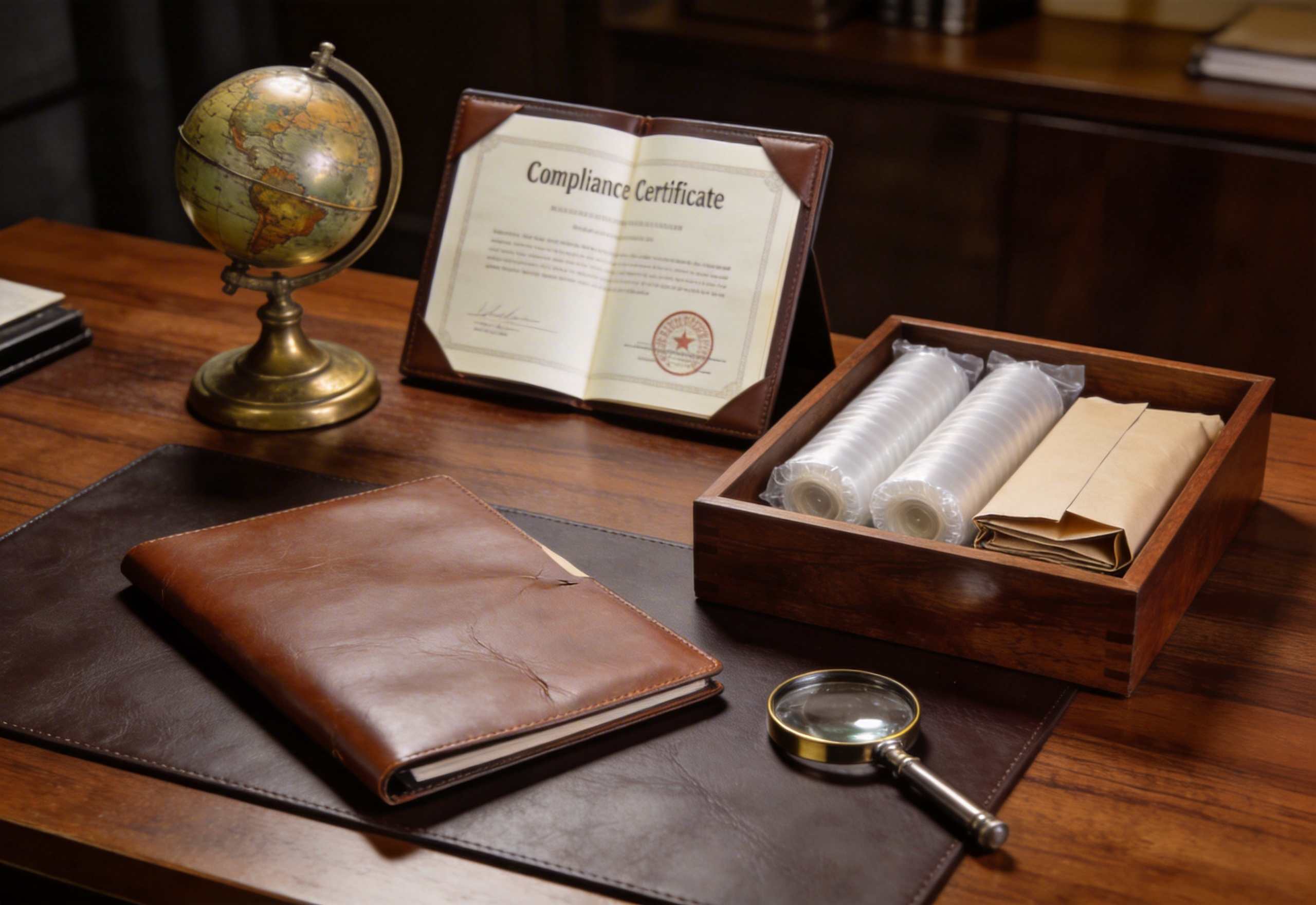
Market Access Secured: Compliance & Regulatory ConsultingNavigating international packaging regulations like the UK Plastic Packaging Tax (PPT) or EU Circular Economy mandates can be daunting. PAC·ZELON provides end-to-end certification support, including GRS-certified recycled content, TUV OK Compost verification, and localized recycling symbols (e.g., Triman logo). We help you optimize your packaging to meet global sustainability standards, minimizing tax liabilities and ensuring your brand stays compliant in every target market.View details
-
Engineered for Your Brand: Data-Driven Packaging DesignWe believe packaging should be a balance of protection, brand identity, and cost-efficiency. Our strategic customization service goes beyond printing logos. We analyze your product’s weight, transit distance, and unboxing experience to recommend the precise micron thickness and material blend. From double-adhesive strips for seamless returns to “soft-touch” textures for luxury branding, we design packaging that optimizes your logistics performance while boosting customer loyalty.View details
OUR CASE
-
Anti-Static (ESD) Protective Packaging for Global Electronics Distribution
Case Study : Mitigating Latent Defect Risks in Transcontinental PCB Logistics via Advanced ESD Integration The Challenge: The Hidden Cost of Micro-Damage A leading international technology firm faced a critical bottleneck in its global supply chain. While their high-value Printed Circuit Boards (PCBs) arrived at overseas assembly plants appearing physically intact, post-integration testing revealed an unacceptable rate of latent electronic failures. The culprit was identified as Electrostatic Discharge (ESD). Standard packaging provided sufficient physical cushioning but failed to account for the triboelectric charging generated during high-frequency movement in transcontinental air and sea freight. For sensitive semiconductor components, even a discharge invisible to the human eye can cause “gate leakage” or “junction burnout,” leading to premature field failures and costly product recalls. Analysis: Why Commodity Solutions Fall Short Standard “anti-static” bags often rely on topical coatings that degrade over time or under varying humidity levels typical of cross-border transit. The client’s existing solution lacked: Shielding Continuity: Inconsistent surface resistivity led to “hot spots” where static could penetrate the barrier. Mechanical/Electrical Synergy: Packaging often prioritized physical shock absorption (bubble wrap) at the expense of electrical grounding, or vice versa. Environmental Stability: Standard materials failed to maintain dissipative properties when exposed to the low-humidity environments of aircraft cargo holds. Failure to address these gaps posed a dual threat: direct financial loss from scrapped inventory and long-term brand erosion due to unreliable hardware performance. The Solution: Multi-Layered ESD Shielding Integration PAC·ZELON engineered a bespoke, integrated packaging ecosystem designed to neutralize both physical and electrical threats. The architecture focused on a Faraday Cage principle combined with high-performance dissipative layers. Precision Surface Resistivity: We implemented a multi-layer ESD shielding structure with a strictly controlled surface resistance of 10^9 – 10^{11} \Omega. This range ensures that static charges are dissipated safely and gradually, preventing the rapid discharge events that damage sensitive circuits. Integrated Physical-Electrical Barrier: Rather than using separate components, we integrated ESD-safe dissipative bubble cushioning directly into the shielding laminate. This dual-action layer provides a 360^\circ protective “buffer zone,” absorbing kinetic energy from vibration while maintaining electrical equilibrium. Compliance & Material Stability: All materials were tested under rigorous climate-controlled conditions to ensure the dissipative properties remained stable regardless of external humidity or temperature fluctuations, meeting international ANSI/ESD S20.20 standards. The Result: Precision Performance and Zero-Failure Reliability By transitioning from commodity packaging to a PAC·ZELON integrated industrial solution, the client transformed their logistics from a liability into a competitive advantage. Zero ESD Failures: In the first 50,000 shipments following implementation, the client reported zero failures attributed to electrostatic discharge. Reduced Total Cost of Ownership (TCO): While the initial packaging unit cost saw a marginal increase, the elimination of RMAs (Return Merchandise Authorizations) and secondary testing saved the firm an estimated 14% in annual logistics-related overhead. Institutional Trust: This project solidified PAC·ZELON’s position as a critical partner for the client’s R&D and manufacturing divisions, proving that industrial precision is the only viable defense against the hidden risks of global electronics trade.
View details -
Double-Adhesive Strip Design for Seamless E-commerce Returns
Case Study: Optimizing Reverse Logistics Through Integrated Structural Design The Challenge: Material Failure in the Return Loop A global fast-fashion leader faced a critical bottleneck in its reverse logistics chain. High return rates—a standard reality of modern e-commerce—were resulting in significant product loss. The primary pain point was the destruction of original packaging during the initial unboxing. Because the standard single-adhesive poly mailers were rendered unusable after the first opening, customers resorted to improvised secondary packaging (plastic wrap, duct tape, or oversized boxes) to return items. This led to: Product Damage: Inadequate resealing exposed garments to moisture and friction during transit. Operational Friction: Logistics centers spent excessive time manually inspecting and repackaging “unfit” returns. High Waste: A 1:1 ratio of returns necessitated 100% new secondary packaging material. Analysis: The Gap Between Consumer Behavior and Packaging Utility Standard e-commerce packaging is traditionally designed for a linear lifecycle: Warehouse → Logistics → Consumer. However, global fashion retail operates in a circular lifecycle. PAC·ZELON’s audit revealed that the failure wasn’t in the material strength, but in the opening mechanism. Standard bags required tearing or cutting, which compromised the structural integrity of the mailer. Furthermore, the lack of a secondary sealing agent forced the consumer to become a “packaging engineer,” a role they were unequipped for. From a business perspective, this “last-mile return” gap was eroding profit margins through increased labor costs and SKU write-offs. The Solution: “Dual-Adhesive + Tear Strip” Integration PAC·ZELON engineered a high-performance, integrated mailing solution designed specifically for circularity. Our team moved away from generic poly-bags to a precision-engineered structural design: Dual-Adhesive System: We integrated two parallel lines of high-tack pressure-sensitive adhesive. The first strip secures the initial outbound shipment, while the second remains protected by a release liner for the consumer to use in the event of a return. Centralized Tear-Strip: To prevent structural damage during unboxing, a reinforced tear-strip was positioned between the two adhesive lines. This ensures a clean, controlled opening that keeps the mailer’s dimensions intact. Material Specification: We utilized a co-extruded multi-layer film to ensure high opacity and puncture resistance, maintaining professional branding even after two legs of international transit. By integrating the “Return Logic” directly into the material’s DNA, we removed the need for the consumer to provide their own tape or external packaging. The Result: Quantifiable Operational Excellence The implementation of the PAC·ZELON Dual-Adhesive system transformed the client’s reverse logistics from a cost center into a streamlined operational advantage. 50% Increase in Return Processing Efficiency: Incoming returns arrived in standardized, easy-to-scan packaging, drastically reducing the time required for warehouse intake and sorting. 100% Reduction in Secondary Packaging Costs: The “Return-in-Original” rate reached near-total adoption, eliminating the need for the brand to purchase or provide secondary return bags. Enhanced SKU Protection: Write-offs due to “damaged in transit” (reverse leg) dropped by 22%, as the factory-grade seal ensured moisture and dust protection. Customer Loyalty: The frictionless return experience aligned with the brand’s sustainability goals and improved Net Promoter Scores (NPS) by removing the common “return friction” point.
View details -
Anti-Fragility Logistics Solution for Nordic & Arctic Winter Deliveries
Case Study: Optimizing Polymer Resilience for Sub-Zero Logistics High-Performance Packaging Integration in Extreme Arctic Conditions The Challenge: Material Failure in Sub-Zero Environments A global e-commerce enterprise operating across the Nordic regions and Northern Russia faced a critical logistics crisis. During the peak winter season, parcel breakage rates spiked to 20%, resulting in significant financial losses, compromised brand reputation, and a surge in customer service overhead. Standard logistics packaging—specifically traditional Polyethylene (PE) mailers—failed to withstand the rigors of the “last mile” in temperatures dropping to -30°C. At these extremes, conventional polymers reach their glass transition temperature, losing flexibility and becoming dangerously brittle. Instead of protecting the contents, the packaging shattered upon impact during sorting and transit. The Analysis: The Physics of Thermal Fragility PAC·ZELON’s technical audit identified a fundamental misalignment between material specifications and environmental reality. Standard PE bags are optimized for temperate climates (0℃ to 35℃). In arctic conditions: Molecular Rigidity: The polymer chains lose kinetic energy, causing the material to transition from a “rubbery” state to a “glassy” state. Impact Sensitivity: Without the ability to deform and absorb energy, the packaging transfers 100% of kinetic energy into crack propagation. Adhesive Failure: Standard hot-melt adhesives used in tamper-evident seals lost tackiness, leading to unforced seal breaches. The existing “off-the-shelf” solutions were insufficient because they focused on thickness rather than molecular toughness. The PAC·ZELON Solution: Molecular Engineering & Material Integration To resolve the failure rate, PAC·ZELON’s R&D team developed a specialized, integrated packaging solution tailored for extreme thermal stress. Custom Toughening Formula: We engineered a proprietary blend of Linear Low-Density Polyethylene (LLDPE) infused with high-performance elastomers. This additive package acts as a “molecular shock absorber,” maintaining ductility even at temperatures as low as -45℃ Optimized Molecular Structure: By refining the co-extrusion process, we created a multi-layer film that balances external puncture resistance with internal flexibility. Cold-Grade Adhesive Integration: We replaced standard seals with a high-viscosity, cold-resistant adhesive designed to maintain a permanent bond during rapid temperature fluctuations (thaw/freeze cycles). Compliance & Testing: The new material underwent rigorous ASTM D1709 (Dart Drop) and ASTM D1922 (Propagation Tear Resistance) testing in simulated sub-zero environments to ensure industrial-grade reliability. The Result: Precision Reliability The implementation of PAC·ZELON’s anti-cold integrated solution transformed the client’s winter logistics from a liability into a competitive advantage. Metric Before PAC·ZELON After Integration Average Breakage Rate 20% < 0.1% Material Performance Brittle/Shattering Ductile/Impact-Absorbent Operating Temp Range Down to -5℃ Down to -45℃ Customer Returns (Damaged) High Volume Negligible By stabilizing the supply chain, the client secured year-round logistics reliability, eliminating the “seasonal tax” of winter damage. This case demonstrates that in high-stakes B2B logistics, the difference between failure and success lies in the precise integration of material science and environmental data.
View details -
How Certified Compostable Mailers Enhanced Brand Equity for a Premium Skincare Retailer
The Challenge: The Paradox of Luxury Logistics A leading Direct-to-Consumer (D2C) brand specializing in organic, high-end skincare faced a critical brand-value misalignment. While the brand’s internal products were 100% organic and eco-certified, their outbound logistics relied on conventional petroleum-based polyethylene (PE) mailers. This discrepancy triggered a “greenwashing” backlash from their core demographic. The client reported that sophisticated consumers were increasingly flagging the excessive use of non-recyclable plastic in their delivery experience. Furthermore, the brand needed to prepare for upcoming EU packaging waste directives that penalize single-use plastics. Analysis: The Failure of Commodity Compostables Prior to engaging PAC·ZELON, the client attempted to switch to standard bio-degradable bags sourced from commodity suppliers. However, these off-the-shelf solutions failed in three key areas: Material Fragility: Standard 40-50 micron bio-bags lacked the tensile strength for international air freight, leading to an unacceptable 8% package burst rate. Subpar Tactile Quality: The bags had a “crinkly” texture and an industrial odor, which devalued the $200+ premium gift sets inside. Regulatory Vacuum: The bags lacked verifiable third-party certification (such as TUV OK Compost), leaving the brand legally vulnerable to “Plastic Tax” levies in European jurisdictions. The PAC·ZELON Solution: Material Integration & Performance Engineering PAC·ZELON moved the client away from “disposable bags” toward an engineered shipping vessel. We integrated a custom-formulated PLA+PBAT (Polylactic Acid + Polybutylene Adipate Terephthalate) solution: Custom Resin Blending for “Soft-Touch” Aesthetics: We optimized the PBAT ratio to achieve a sophisticated matte finish. The result was a mailer with a “silky” tactile feel—mimicking the texture of premium fabric—which aligned with the brand’s luxury positioning. Structural Reinforcement (65-Micron Spec): To ensure zero-failure delivery, we engineered a 65-micron (2.55 Mil) heavy-duty structure. This thickness was calibrated to provide the same puncture resistance as virgin PE, ensuring security for heavy liquid skincare bottles during long-haul transit. Certified Compliance Integration: We secured TUV OK Compost (Home & Industrial) and EN 13432 certifications for the entire production run. Each mailer featured the verified certification logo and license number, providing a documented “Chain of Custody” for tax exemptions in the UK and EU. The Result: Quantifiable Business Impact The transition to PAC·ZELON’s compostable integration delivered immediate ROI: Zero Plastic Footprint: Successfully diverted approximately 14 metric tons of plastic from the logistics chain annually. Enhanced Unboxing Experience: The brand reported a 30% increase in organic social media mentions, specifically highlighting the “sustainable yet premium” feel of the new mailers. Operational Savings: By meeting the 100% compostable criteria, the client successfully bypassed “Plastic Tax” levies in target European markets, optimizing their total landed cost. Logistics Security: The reinforced 65-micron structure reduced the package damage rate to less than 0.2%, effectively neutralizing the risks associated with bio-based materials. Conclusion For high-end D2C brands, the shipping mailer is the first physical touchpoint with the customer. PAC·ZELON proved that by integrating advanced material science with rigorous certification, a brand can achieve true circularity without compromising the luxury experience or operational security.
View details -
Navigating Global Compliance: Strategic Plastic Tax Mitigation for Multi-Channel Retailers
The Challenge: The High Cost of Non-Compliance A high-volume global retailer, expanding aggressively into the United Kingdom and European Union, encountered a critical operational bottleneck: evolving environmental legislation. With the enforcement of the UK Plastic Packaging Tax (PPT) and various EU Extended Producer Responsibility (EPR) frameworks, the client faced significant financial exposure. The client’s existing packaging suite relied on virgin plastics, triggering a tax of £217.85 per tonne in the UK (adjusted for 2025/26 rates) and similar environmental levies across Europe. Beyond the direct costs, the brand faced potential “stop-sell” orders, heavy administrative fines, and a fractured supply chain unable to provide the certification required for mandatory compliance audits. Analysis: The Technical and Regulatory Gap Standard “off-the-shelf” packaging solutions failed to address the complexity of cross-border commerce for three primary reasons: * Material Integrity: Generic recycled mailers often lacked the tensile strength for high-speed automated sorting, leading to increased damage rates. * Lack of Traceability: Without Global Recycled Standard (GRS) certification, the client could not legally prove recycled content to tax authorities, rendering their “eco-friendly” claims useless during audits. * Fragmented Labeling: Different EU member states require specific recycling symbols (e.g., Triman logo in France) and mandatory safety warnings. Manual labeling post-production was driving labor costs upward and slowing time-to-market. The PAC·ZELON Solution: Integrated Compliance Engineering PAC·ZELON deployed a high-end packaging integration strategy designed to transform the client’s packaging from a liability into a documented asset. * GRS-Certified Supply Chain Integration: We transitioned the client to a fully audited supply chain. By utilizing GRS-certified facilities, we provided a transparent “Chain of Custody” for every batch, ensuring the client possessed the necessary documentation for UK HMRC and EU environmental agencies. * Material Innovation (30%+ PCR): We engineered custom mailers containing a minimum of 30% Post-Consumer Recycled (PCR) content. This specific threshold was calibrated to meet the UK PPT exemption limit while maintaining a high-performance polymer structure that prevents tearing during transit. * Precision Pre-Printing and Localization: To eliminate secondary handling costs, PAC·ZELON integrated mandatory safety (suffocation warnings) and localized recycling symbols directly into the primary print run. This ensured 100% SKU-level compliance across multiple jurisdictions simultaneously. The Result: Measurable Business Value By shifting from a transactional procurement model to PAC·ZELON’s integrated compliance approach, the client achieved the following metrics: * 100% Compliance Audit Pass: Successfully navigated two third-party environmental audits with zero discrepancies in material certification. * Zero Tax Penalties: The adoption of 30%+ PCR materials effectively neutralized the UK PPT liability, resulting in immediate tax savings. * 15% Optimization of Total Cost of Ownership (TCO): While the per-unit cost of PCR material is slightly higher than virgin plastic, the removal of tax levies, the elimination of secondary labeling labor, and a reduction in administrative overhead resulted in a 15% net reduction in total landed costs. Conclusion For modern retailers, packaging is no longer just a vessel—it is a regulatory document. PAC·ZELON’s expertise ensures that our partners stay ahead of the legislative curve, protecting their margins and their reputation in the global marketplace.
View details -
Packaging Optimization for a Global Fast-Fashion D2C Brand
Engineering a Zero-Failure Packaging Solution for a High-End Apparel Brand Challenge: Our client, a rapidly growing D2C fashion brand, faced a significant hurdle in their international logistics. Using standard 40-50 micron poly mailers, they reported a 12% damage rate during long-haul transit. Packages arrived torn, and the thin material compromised the privacy of the high-value items inside, leading to a spike in customer complaints and costly returns. Analysis: Upon auditing their supply chain, the PAC·ZELON team identified that the mechanical stress at international sorting centers exceeded the tensile strength of their current packaging. Furthermore, the lack of opacity in standard bags exposed product colors, increasing the risk of theft and reducing the “unboxing” prestige. Solution: PAC·ZELON integrated a high-performance 70-micron (2.75 Mil) Heavy-Duty Solution. We utilized a triple-layer co-extrusion process—grey exterior for a premium look and black interior for 100% opacity. We also reinforced the heat-sealed edges to prevent bursting under pressure. To enhance the brand identity, we applied a matte finish that provided a superior tactile feel compared to glossy alternatives. Result: The transition was a game-changer. Within the first quarter of implementation: Damage rates plummeted from 12% to less than 0.5%. Return logistics costs were reduced by 15%. Customer satisfaction scores regarding packaging increased by 40%. The brand successfully positioned itself as a premium player, proving that the right packaging integration is not an expense, but a strategic investment.
View details
INDUSTRY SOLUTIONS
-
Strategic Packaging Consultation & ESG Branding
Elevating Brand Equity through Aesthetic Engineering and Sustainable Narratives -
Standardized Quality Assurance & Integrated Supply Chain
PAC·ZELON Dual-Model: Direct Manufacturing & Verified Sourcing -
Circular Reverse Logistics UX Optimization
Engineering Seamless Returns to Drive Brand Loyalty and Operational Efficiency
At PAC·ZELON, we don’t just provide materials—we solve your most complex fulfillment challenges. Since 2015, we have partnered with global brands to transform packaging from a logistical hurdle into a competitive advantage. We understand that your business faces a unique set of pressures: balancing rising freight costs with sustainability mandates and ensuring asset integrity across extreme climates. Our mission is to take these burdens off your shoulders by integrating advanced material engineering with a rigorous global production network.
About Us-
10+Years Industry Experience
-
500M+Units Annual Supply Capacity
-
5+Production Partners
-
10+Packaging Product Categories
Latest Posts