How Can Stretch Film Wholesale Lower Packaging Costs?
-
 author
- 11th September 2026
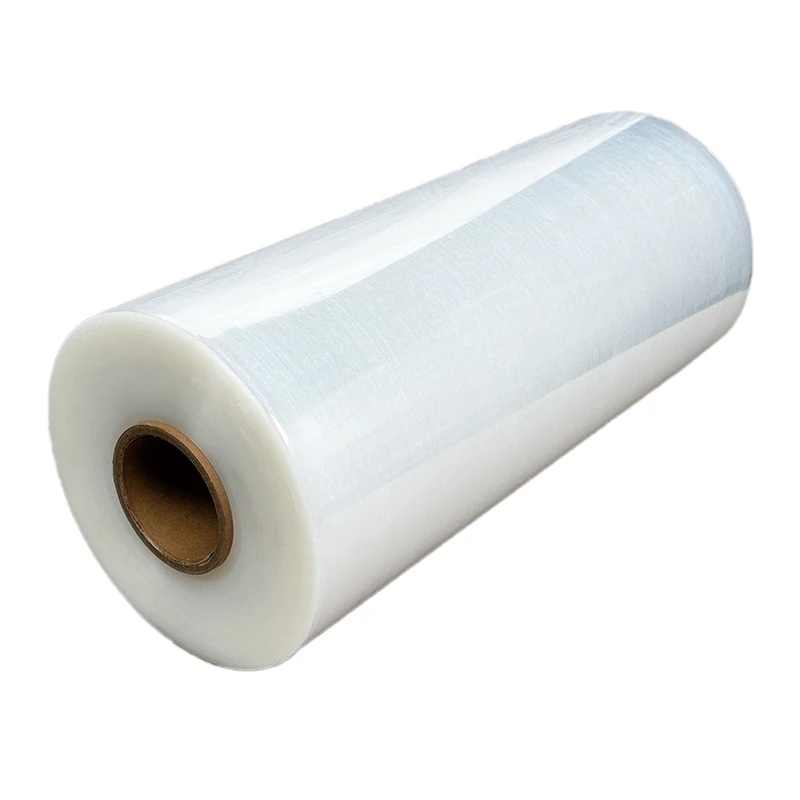
Stretch film wholesale can lower packaging costs when the order matches how a facility actually wraps pallets. The saving does not come from a cheaper roll alone. It comes from buying a suitable film, receiving consistent usable material, consolidating freight, and avoiding emergency purchases. For a warehouse or manufacturer, the better question is how much each secured pallet costs after waste, labor, downtime, and delivery are included.
Why Does the Lowest Roll Price Often Cost More?
A low quote can hide a shorter usable roll, a heavier core, inconsistent thickness, or film that does not suit the load. Those differences appear later as extra wraps, torn film and rework, or unstable pallets. Procurement teams should compare the material they can use, not just the invoice total.
A stretch film wholesale agreement helps when it gives the operation a stable specification across repeat orders. A buyer can define the film type, width, thickness, net film weight, core, roll configuration, color, carton quantity, and acceptable tolerance before comparing suppliers. This makes quotations easier to normalize and reduces the chance of changing film behavior from one shipment to the next.
Compare Stretch Film Wholesale Quotes on Landed Cost per Pallet
The most useful metric is landed cost per secured pallet. Start with the delivered order cost, including freight and applicable import charges, then divide it by the pallets wrapped successfully during a controlled trial. Add only rework, disposal, and downtime costs not already included in that delivered figure, so the calculation does not count the same expense twice.
Two quotations become comparable only when the specifications and commercial terms are aligned. A roll price based on gross weight should not be compared directly with a quote based on net film weight. Likewise, different gauges, widths, lengths, core weights, pallet quantities, and delivery terms can make similar-looking offers economically different. Asking each supplier to quote against one written specification removes much of that ambiguity.
Film performance also needs comparable test conditions. ASTM D882-26 explains why tensile results depend on specimen dimensions, thickness, test speed, and other controlled conditions. A buyer does not need to run a laboratory, but should ask which test method supports a supplier’s data and whether the sample and production order follow the same specification.
Which Film Type Fits the Wrapping Process?
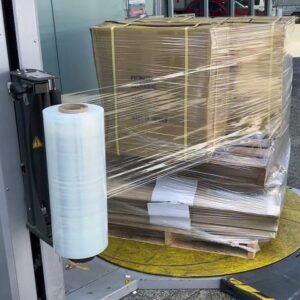
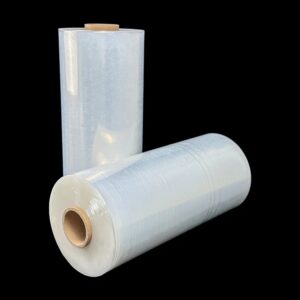
Hand film suits lower-volume work, irregular loads, and locations without dedicated wrapping equipment. Machine film fits repeatable, higher-throughput wrapping when it is compatible with the wrapper and its settings. Black or colored film can support concealment or warehouse identification when that requirement is stated in the purchase specification. PAC·ZELON’s industrial stretch film solution shows these application categories, while its machine stretch film page asks buyers to match the film to their equipment and load profile.
The choice affects more than material use. Manual wrapping can expose workers to repetitive force and awkward posture. OSHA’s warehouse guidance identifies mechanical stretch wrappers as one way to reduce ergonomic risk in relevant warehouse tasks. That does not make automation economical for every facility, but labor exposure and throughput should be included when a buyer compares hand and machine film.
When Does a Bulk Order Create Real Savings?
A stretch film wholesale order makes sense when demand is predictable, the specification has passed a trial, and the business can store the material correctly. Regular consumption gives procurement more room to plan shipments, combine volume, and reduce expensive last-minute buying. It can also support a repeatable incoming-inspection routine because every delivery is checked against the same agreed requirements.
Wholesale is less attractive when monthly demand changes sharply, equipment compatibility is uncertain, or a new load has not been tested. Buy a case or trial quantity while the specification is uncertain, then move to pallet quantities after repeat use confirms demand and performance. A mixed shipment can help when several approved specifications share one delivery, while a custom run is sensible only when recurring demand can absorb its production quantity without leaving aging stock.
Material reduction should remain tied to load performance. The U.S. EPA describes source reduction as reducing waste at its source, including reducing packaging and buying in bulk. In practice, a thinner or lighter film is only a sound reduction if the wrapped load still performs through handling and transport. Rewraps and damaged goods can erase the intended saving.
Use a Trial Before Committing to Volume
A useful trial recreates normal work instead of wrapping one easy pallet for appearance. Buyers should include representative light, heavy, uniform, and irregular loads, then record film used, successful pallets, breaks, rewraps, operator feedback, and any wrapper adjustments. The trial should use the proposed production specification and enough material to reveal whether performance stays consistent over repeated cycles.
Incoming checks can stay simple but should be repeatable. Confirm the label and purchase specification, examine roll and carton condition, verify the agreed weight basis and dimensions, and retain a sample from each lot when traceability matters. If production behavior changes, the retained sample and trial record give the buyer and supplier a practical starting point for investigation.
Write an RFQ That Makes Quotes Comparable
A clear request for quotation should describe the load, wrapping method, equipment model when relevant, current film, monthly use, delivery destination, storage conditions, and the problem the buyer wants to solve. It should also identify which details must be shown separately, such as net film weight, core, packaging configuration, freight terms, sample terms, production tolerance, and documentation.
This approach lets a supplier recommend an alternative without making the comparison vague. PAC·ZELON supplies hand stretch film and machine-film options for different operating conditions. Buyers can send a current specification and load profile to request a matched sample and quotation before choosing a stretch film wholesale order structure.
FAQs
Q: What information is needed for a stretch film wholesale quote?
A: Provide the film type, width, thickness or performance requirement, roll configuration, color, wrapping method, equipment model if applicable, monthly consumption, delivery destination, and expected order pattern. Add representative load details and explain any current problem, such as film breaks, excessive wraps, or inconsistent containment. This gives suppliers a common basis for pricing and sample recommendations.
Q: Is wholesale stretch film always cheaper than buying by the case?
A: No. Wholesale can reduce landed and purchasing costs when demand is steady and the film has been validated. Buying by the case may cost less overall when usage is irregular, storage is limited, or the specification is still being tested. Compare the full delivered cost, working-capital impact, and cost per successfully wrapped pallet before increasing volume.
Q: Should a buyer test stretch film before placing a bulk order?
A: Yes. A controlled trial shows whether the film works with real loads, operators, and equipment. Record consumption, breaks, rewraps, wrapper settings, and pallet condition under normal handling. Confirm that the trial material represents the proposed production specification, then use the results as the baseline for incoming checks on future wholesale deliveries.
Get the Right Stretch Film Solution with PAC·ZELON
Turn your trial results into a purchasing specification that fits your load, equipment, and order volume. Compare PAC·ZELON’s hand stretch film, machine stretch film, and industrial stretch film solutions, then send your load profile and monthly demand to request a matched sample and wholesale quotation.
Table of Contents
Categories
Recent Posts
Can an Air Cushion Film Manufacturer Improve Packing Speed?
How Can Stretch Film Wholesale Lower Packaging Costs?
When to Switch to Machine Stretch Film Before Costs Rise
FAQ
What is your minimum order quantity (MOQ)?
Can I request samples before placing an order?
What are your typical lead times and shipping options?
Get a Free Quote