Protective Packaging Solutions for 2027: What B2B Buyers Should Ask at interpack China 2026
-
 author
- 30th October 2026
Protective Packaging Solutions for 2027: What B2B Buyers Should Ask at interpack China 2026
Packaging issues rarely show up as simple buying requests. A fulfillment crew might notice glass shifting inside a box. A warehouse boss might spot a mixed pallet tilting right after its first move. At the same time, the purchasing department notices wasted film, extra labor, and damage claims. All three groups are actually dealing with the exact same issue. They just view it from different angles.
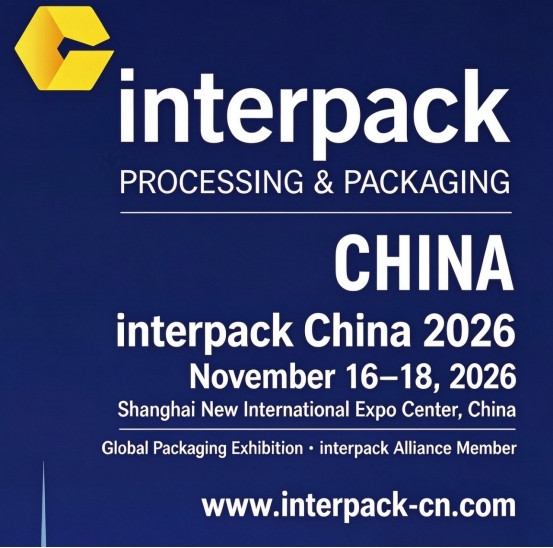
These discussions are perfect to bring to interpack China 2026. The event will take place on November 16–18, 2026, from 09:00 to 18:00. The venue is the Shanghai New International Expo Centre, located at 2345 Longyang Road, Pudong, Shanghai. Our team at PAC·ZELON will be waiting at Booth W1M45. Do not just begin by asking about a roll size. Instead, start by talking about the specific delivery that causes headaches for your staff.
The 2027 Packaging Brief Is Getting Harder
In the past, packaging buyers treated safety, price, and packing speed as totally separate subjects. Today, things are different. Material logs now appear right next to damage reports and packing speed numbers during the same meeting. Your main goal is to discover a setup that truly works. After that, you must gather solid proof to justify why you use every single part of that package.
PPWR Changes the Buying Conversation
The main starting date for Regulation (EU) 2025/40 was August 12, 2026. That deadline is now behind us. The EU Packaging and Packaging Waste Regulation covers all packaging and packaged items sold within the European market. Still, the required tasks do not all start on a single day. These rules vary based on the specific type of packaging. They also depend on your company’s exact role in the supply chain.
Seeing the word “recyclable” on a product flyer is no longer enough. It fails to answer strict questions regarding banned chemicals, recycled material amounts, or proper labels. It also ignores EPR laws and future recycling standards. A good buying record clearly names the exact material. It connects that material to an updated technical sheet. Furthermore, it holds all the documents the importer might demand. You can check this PPWR compliance overview to see the important timeline. Ultimately, the importing company and their legal team must figure out which specific rules apply to them.
A Cheap Roll Can Produce an Expensive Shipment
The basic cost per item only reveals a small piece of the puzzle. When a plastic film tears often, the entire packing line halts. Workers then have to wrap the pallet all over again. Also, if a box has too much empty room, the product inside can build up speed during transit. This movement can break the item, even if you added lots of bubble wrap. Tossing more material into the box might cover up the actual issue. However, it never truly solves the core problem.
Always study the exact failure before you switch to a new material. Ask yourself where the product shifted. Did a sharp edge cause the initial rip? Was the loaded pallet wobbly right as it left the warehouse, or did it only lean after changing trucks? Finding these answers is highly valuable. They provide your supplier with clear facts to test in the lab.
Choose the Format by Failure Mode
Inflatable cushioning belongs inside a box. Stretch film goes around a stacked pallet. This fact seems very basic. Yet, price quotes frequently start by listing width, thickness, and roll length. People do this before anyone even explains what went wrong with the shipment. You should flip this process around. First, figure out the exact shifting or dropping forces you need to stop. After you do that, you can talk about materials, machines, and testing methods.
Air Cushion Film: Look at Space, Fit, and Pressure
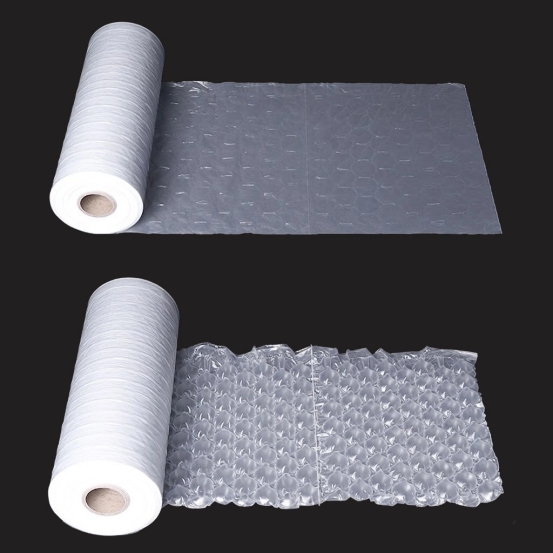
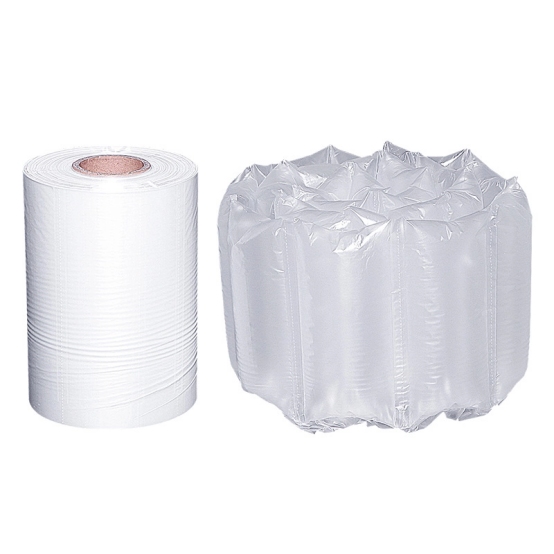
Air cushion film ships to you completely flat. Workers pump air into it right at the packing desk using matching machines. Flat rolls save a massive amount of storage space compared to bags that arrive already full of air. Once they are pumped up, these linked air pockets easily plug empty gaps in a box. They can also wrap softly around specific fragile items.
We supply standard PE film for normal online retail and simple gap-filling tasks. We also provide PE+PA co-extruded film for jobs that demand much higher strength. We can easily negotiate details like bubble size, plastic thickness, roll length, tearing formats, and custom logos. Nevertheless, doing a real packing test is far more critical than just looking at a menu of features.
Place your real product inside its final shipping box. Move it around exactly like a normal warehouse worker would. After doing this, check for tight squeezing spots and watch for loose sliding. Inflatable air column bags are often perfect for goods requiring rigid, tight support. Just remember that buttons, sharp edges, glass screens, and painted areas must never bear heavy, direct pressure.
Machine Stretch Film: Test the Wrapped Load
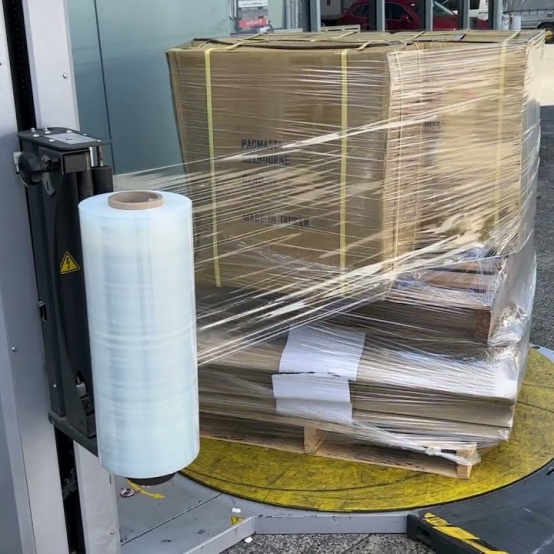
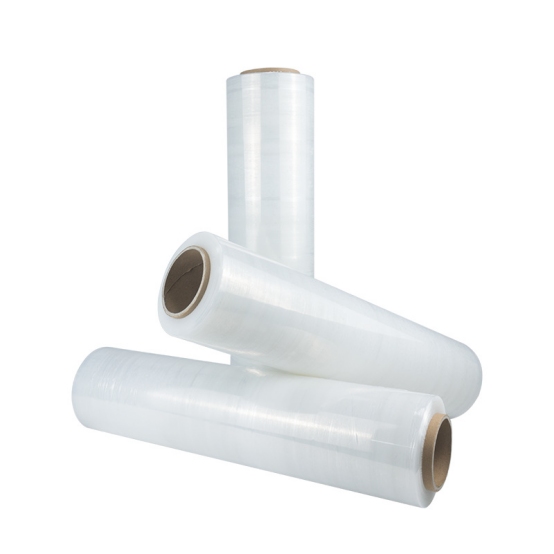
When you test machine stretch film, always run the equipment at its standard daily speed. You should also wrap your everyday, average pallets. Do not use a flawless, fake display load for this test. Our product lineup spans from 8 μm to 40 μm. Certain premium metallocene types can achieve up to 500% pre-stretch. Keep in mind, however, that looking at just one number will not reveal the perfect match for your factory. In real factory conditions, reaching this theoretical maximum can be difficult, and the actual pre-stretch depends on the wrapping equipment.
Write down every time the plastic snaps. Count how many times workers must wrap a load again. Measure the total plastic used, the grip strength, and any crushed box corners. Finally, check how the pallet looks after a long truck ride. If you are testing a thinner plastic, you must compare fully finished pallets side by side. A roll that seems very cheap upfront might actually waste money. This happens when you factor in broken pallets and stopped machines.
| Key Choice Factor | Inflatable cushioning | Machine stretch film |
| Main Task Required | Stop internal shifting or protect goods within a box | Hold stacked boxes firmly together during transit |
| Helpful Details | Product and box sizes, delicate zones, empty gaps | Total mass, stacking layout, box edges, machine dials |
| Testing Proof | Snugness, tight spots, sliding, total packing minutes | Snaps, plastic used, holding force, final delivery state |
| Poor Purchasing Habit | Buying based strictly on box dimensions | Buying based only on thickness and cheap roll tags |
A Worked PPWR Readiness Example
When packaging for the EU market is under review, a supplier’s role is to help clarify materials, product options, and trial requirements. The importer and its compliance advisers must confirm which PPWR duties apply and determine whether the evidence meets their needs. The example below shows how we at PAC·ZELON would approach a packaging review for an appliance exporter.
Reviewing an Oversized Pack
In this project case, an appliance exporter packs different products into just one carton size. Because of this, smaller items leave empty gaps. Workers then pack these spaces with loose padding. Furthermore, the warehouse applies the exact same stretch film and wrapping machine settings for light, mixed, and heavy pallets. These facts do not automatically mean the current method is wasteful. They do not prove it breaks any rules either. However, they highlight specific areas for the buyer to check.
First, we will look at the actual products and the carton sizes. We will also check the current packaging materials, the pallet loads, and the exporter’s shipping environment. After that, our team can test the current loose fill against a custom inflatable cushioning alternative. During this test, we will track material usage and packing speed. We will also monitor how much the product moves and its condition upon arrival. For the pallets, we suggest running separate tests for different weight classes. This step helps the buyer check film consumption. It also shows load stability and overall wrapping quality.
The buyer needs to keep the related specifications and supplier papers. They should store these files right next to the test records. Meanwhile, the EU importer and a compliance expert will check the relevant legal rules. These rules cover EPR, product labeling, and banned substances. They also include recycled-content laws and upcoming recyclability duties.
Keep in mind, this testing process does not officially certify a package for PPWR compliance. Instead, it offers the buyer a better material log and real-world test data. This information supports their internal audits. We can talk about different packaging choices and plan these trials through our packaging solutions. Ultimately, the responsible economic operator and their official advisors must make the final compliance choices.
Turn Booth W1M45 into a Working Meeting
Time flies very fast at industry exhibitions. Bringing a brief summary of your problem gives your engineers, buyers, and warehouse staff a shared place to begin. This document does not require fancy graphic design or perfect technical sheets. Bringing a single physical sample, a few clear pictures, and precise size numbers is highly effective. These basic items usually explain much more than a massive supplier catalog ever could.
Bring Evidence from One Shipment
Gather a small, organized folder of details before you travel to the event:
- The exact sizes of the item and the box, the total loaded weight, and any delicate paint or glass that cannot endure scratching or squeezing.
- Clear pictures showing your daily packing steps. Also include a photo of the resting product right before workers tape the box shut.
- The wooden base size, the stacking shape, your wrapping machine brand, the current dial settings, and the exact moment the plastic tears or the boxes lean.
- Your final selling countries, the total travel distance, truck changing stops, storage climates, and photos of recent broken deliveries.
- The required paperwork your firm demands from any vendor. This includes technical sheets, COA, MSDS, printing files, or chemical safety letters.
- A simple testing rulebook. Note exactly what you plan to measure, the person who signs the final approval, and the specific score that counts as a success.
When you visit Booth W1M45, we will look at your gathered facts. This helps us quickly focus our chat on air cushion film, air columns, stretch film, or perhaps a mixed strategy. We will figure out exactly which items you need to test. We will also spot the factory settings that still require double-checking. Any strict compliance topics that need lawyers or lab tests will stay completely separate from our basic material suggestions.
Conclusion
The smartest packaging audit always kicks off with a broken product, a sluggish factory task, or a leaning stack of boxes. It should never start with a trendy marketing promise. As you plan for 2027, purchasing agents must keep superior paperwork. This is crucial because the PPWR forces European officials to inspect packaging choices much more strictly. Cargo safety, plastic consumption, factory speed, and legal papers all merge into one single topic today. Come visit PAC·ZELON at Booth W1M45 at the interpack China 2026 event. The dates are November 16–18, hosted at the Shanghai New International Expo Centre in Pudong. Please bring one actual shipping problem and the data your staff already collected. Prior to your trip, feel free to browse our full product range. Write down the styles that catch your eye, and message us to set up a deep conversation or to ask for testing samples.
FAQs
Q: Where can buyers discuss protective packaging solutions at the show?
A: You are welcome to meet our experts at Booth W1M45 in Shanghai. We will be there from November 16–18, 2026, between the hours of 09:00 and 18:00.
Q: Which machine stretch film gauges are listed?
A: Our official catalog includes thicknesses from 8 μm up to 40 μm. Additionally, certain special metallocene versions deliver up to 500% pre-stretch capacity. In real factory conditions, reaching this theoretical maximum can be difficult, and the actual pre-stretch depends on the wrapping equipment.
Q: Does recyclable packaging automatically satisfy PPWR?
A: Absolutely not. Your exact legal tasks rely heavily on the specific material type and your testing proof. They also depend on your corporate role, the final selling country, and the precise enforcement date.
Table of Contents
Categories
Recent Posts
FAQ
What is your minimum order quantity (MOQ)?
Can I request samples before placing an order?
What are your typical lead times and shipping options?
Get a Free Quote