Air Cushion Film vs Bubble Wrap: Which Should You Buy?
-
 author
- 24th September 2026
Air Cushion Film vs Bubble Wrap: Which Should You Buy?
Choosing the right cushioning material starts with identifying what each product actually is. In this article, air cushion film means inflatable bubble cushion film, also commonly called air bubble film, inflatable cushion film, or honeycomb air film in Chinese packaging conversations. It is supplied as flat film and inflated on demand, creating connected air chambers for void filling, blocking, and cushioning. Bubble wrap is a different product: its air bubbles are already formed and sealed at the factory, so the roll is ready to cut and wrap around a product. We also distinguish air column bags from both materials. Air column bags are preformed bag-style packaging with separate air columns that hold a product in place. The comparison below focuses on air cushion film versus factory-inflated bubble wrap, while the air column bag is explained as a related option where it helps buyers choose accurately.
Air Cushion Film and Bubble Wrap: What Each Material Is
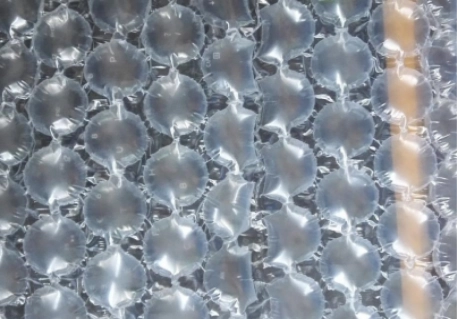
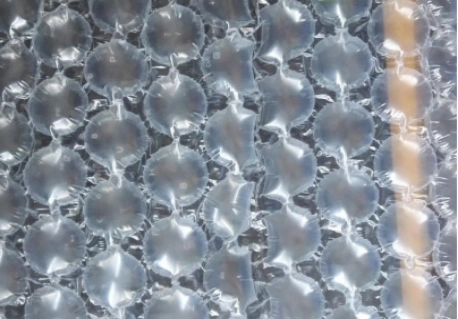
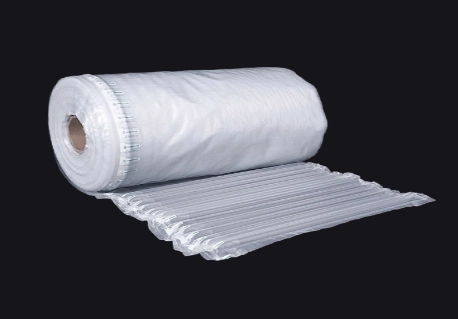
Air cushion film is an inflatable protective packaging material supplied as a compact, uninflated roll. At the packing station, a compatible air cushion machine feeds air into pre-sealed chambers, turning the flat film into bubble-style cells, pillows, or connected cushioning sheets. Depending on the film pattern, the inflated material can fill empty carton space, block product movement, or create a flexible cushioning layer around boxed goods. Because the film is stored flat before inflation, it can reduce the warehouse and packing-station space required for cushioning inventory compared with materials that arrive already filled with air.
Inflation pressure is also an important factor in real-world performance. The right air pressure helps balance cushioning effect and material stability, while excessive inflation may increase stress on the film and raise the risk of bursting during handling or transport. When evaluating samples, buyers should include a fixed inflation pressure test requirement to ensure that the material performs consistently under the intended packing conditions.
Its protection performance depends on more than the roll itself. Chamber size, inflation level, product weight, sharp edges, carton dimensions, and placement all affect whether the cushion stays in position and absorbs handling forces. For repeatable e-commerce or fulfillment operations, air cushion film is therefore best evaluated as part of the complete packaging process, including the inflation equipment, operator workflow, and the range of SKUs being shipped.
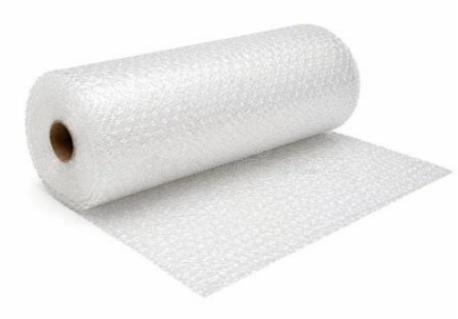
Bubble wrap is a factory-inflated cushioning sheet made with rows of sealed air bubbles. It arrives ready to cut, fold, and tape around a product, so the packing station does not need an inflation machine. Its main advantage is direct surface coverage: operators can wrap corners, protrusions, delicate finishes, and irregular shapes to reduce scratching and light impact during handling and transport. That makes bubble wrap practical for low-volume shipments, mixed product sizes, mobile packing, and other situations where flexible manual wrapping is more important than automated or repeatable output.
Because the bubbles are already filled with air when the roll reaches the warehouse, bubble wrap occupies much of its working volume before it is used. It requires no conversion step, but bulky storage, replenishment frequency, cutting, taping, and operator time can become important cost factors at higher shipment volumes. Buyers should therefore compare bubble wrap with air cushion film by looking at the complete packed-carton process, not only the purchase price of a roll.
Air Cushion Film vs Bubble Wrap: The Quick Decision
Choose air cushion film when your operation can inflate material at the packing station and needs compact inventory, repeatable output, or flexible void fill. Choose bubble wrap when shipping volume is low, equipment is impractical, or each item must be manually wrapped against scratches and light impact. Some fragile shipments need both: surface wrap around the item and inflated cushions in the remaining carton space.
| Buying factor | Air cushion film | Bubble wrap |
| Primary job | Void fill, blocking, and cushioning in selected formats | Direct surface wrapping and light cushioning |
| Storage | Flat rolls before inflation | Bulky, pre-inflated rolls |
| Packing setup | Requires compatible inflation equipment | Ready to cut and use |
| Best workflow fit | Repeated or higher-volume packing stations | Low-volume or highly varied manual packing |
| Main cost question | Film, machine, setup, and output per carton | Material, cutting, taping, labor, and storage |
Protection Performance Depends on the Job
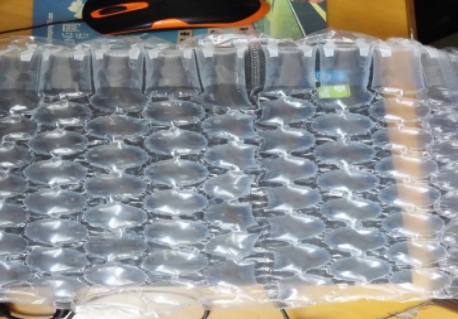
Air cushion film and bubble wrap protect products in different ways. A fair comparison begins by identifying whether the carton needs movement control, surface coverage, or both. Treating the materials as direct substitutes can create gaps even when the chosen material looks protective.
Air Cushion Film Controls Empty Space
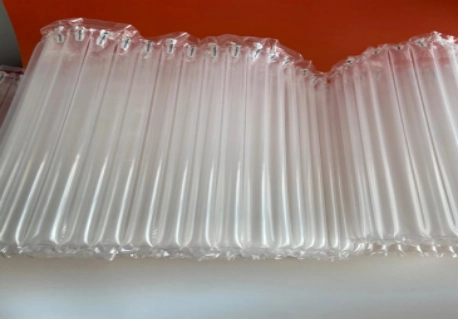
Inflated pillows and connected cushion sheets occupy open space and help keep a product away from carton walls. PAC·ZELON also supplies quilted and connected-cell formats that can bend around a product and spread impact across several chambers. This makes the category useful for boxed cosmetics, footwear, packaged electronics, and mixed e-commerce orders that need blocking, support, or a flexible cushioning layer.
The result still depends on carton size, product weight, sharp edges, inflation, and placement. A cushion that leaves a gap cannot stop movement, while a dense component may overload a light pillow. Buyers should assess the full pack. Our guide to air cushion packaging material explains how inflatable formats address different shipment risks.
Bubble Wrap Covers the Product Surface
Bubble wrap is already inflated and can be cut, folded, and taped around exposed surfaces. It suits occasional shipments, irregular pieces, or finishes that need separation from the carton. That flexibility adds manual measuring and wrapping, while stock occupies nearly its working volume before use.
Which Option Costs Less on a Working Packing Line?
The lower roll price does not always produce the lower packed-carton cost. Compare material used per acceptable pack, operator time, storage, equipment, rework, and damage. The best choice is the one that protects the normal SKU mix at a repeatable total cost.
Storage and Replenishment
Uninflated air cushion rolls are compact until needed. This can reduce the space devoted to cushioning inventory and simplify replenishment near busy stations. Bubble wrap requires no conversion step, but its pre-inflated volume can consume more rack, floor, or overhead space. The difference matters most where fulfillment space is valuable or peak-season inventory must be staged in advance.
Labor and Equipment
Air cushion film shifts work from manual cutting and wrapping to machine setup, inflation, and placement. A stable, repeated carton mix can benefit from that rhythm. Bubble wrap avoids equipment expense and downtime, but the manual cycle can become costly when packers repeat it across many orders. Include machine cleaning, operator training, film loading, tape use, and changeovers in the comparison rather than assuming either process is free.
Damage and Material Fit
A cheap material becomes expensive when products move, finishes get scratched, or staff repack cartons. Neither option suits every heavy, sharp, or highly fragile item. Review PAC·ZELON’s protective packaging options when a product needs a fitted structure or another cushioning format.
When Air Cushion Film Is the Better Purchase
Air cushion film deserves the first trial when a warehouse packs a steady flow of cartons with predictable voids. It is especially relevant when storage pressure and packing-station replenishment matter. Buyers can qualify different connected-cell formats for several SKU groups, but should still exclude loads whose weight or edges exceed the tested application.
When Bubble Wrap Still Makes More Sense
Bubble wrap remains sensible for low or irregular order volume, mobile packing, and products that need close surface coverage. It requires no machine and gives operators direct control over corners, protrusions, and delicate finishes.
However, it may be the wrong default for filling large empty spaces across a high number of cartons. In that situation, labor and storage can outweigh the convenience of a familiar material. A hybrid standard often works better: reserve bubble wrap for exposed surfaces and use air cushions to stop movement around the wrapped item.
Compare Samples Under the Same Shipping Conditions
A useful purchasing test keeps the product, carton, route, and acceptance standard consistent. Pack representative SKUs with each method and record material use, hands-on time, interruptions, carton movement, and product condition after realistic handling. Use more than one operator so technique does not decide the result.
For air cushion film, keep the inflation pressure consistent during comparison, since under-inflation may reduce support while excessive pressure can increase stress on the film and the risk of bursting. The purpose of the test is to confirm whether the complete packaging system performs reliably under the intended shipping conditions before a bulk order is approved.
FAQs
Q: How Should Buyers Compare Air Chamber Size and Cushion Structure?
A: Start with representative SKU groups rather than choosing the largest chamber by default. Smaller connected cells can conform more closely around products and narrow spaces, while larger chambers can occupy open voids with fewer pieces. Compare each structure in the actual carton because product weight, available clearance, and edge shape affect whether the cushion stays in position during handling.
Q: How Should Buyers Approve Custom Printing on Air Cushion Film?
A: Approve the artwork on the inflated material, not only on a flat digital proof. Air chambers can change the apparent spacing and shape of a logo, handling message, or traceability mark. Confirm ink color, print repeat, orientation, readable area, and the allowed position relative to seals and perforations. A short printed trial also reveals whether the mark remains legible after inflation and packing.
Q: What Should Buyers Inspect When a Bulk Film Order Arrives?
A: Check that cartons are dry and intact, then match the roll labels and lot numbers to the purchase order. Inspect roll edges for damage or telescoping, verify width and core size, and examine seals and perforations for visible defects. Inflate samples from more than one carton, watch for slow leaks, and record the lot with the result so any issue can be isolated before the film reaches every packing station.
Q: Can Air Cushion Film Samples Be Reused for Different Tests?
A: Sample tests can be reused when the test conditions remain comparable, but buyers should consider that results may vary with product weight, carton size, inflation pressure, packing method, and shipping conditions. For accurate evaluation, keep key variables consistent and include a fixed inflation pressure test requirement when comparing sample performance.
Send PAC·ZELON your product dimensions, weight, carton size, monthly volume, shipping route, current packing method, and main damage concerns. We can use this information to recommend a suitable air cushion film format and prepare a matched sample for your packaging trial. If your product requires more fitted protection than a standard cushion sheet can provide, we can also evaluate whether inflatable air column bags are a better fit.
Table of Contents
Categories
Recent Posts
Why Should You Trust Stretch Film Manufacturers for Your Packaging Needs
FAQ
What is your minimum order quantity (MOQ)?
Can I request samples before placing an order?
What are your typical lead times and shipping options?
Get a Free Quote