What Are the Key Advantages of Packing Air Cushions for Bulk Shipments?
-
 author
- 7th August 2026

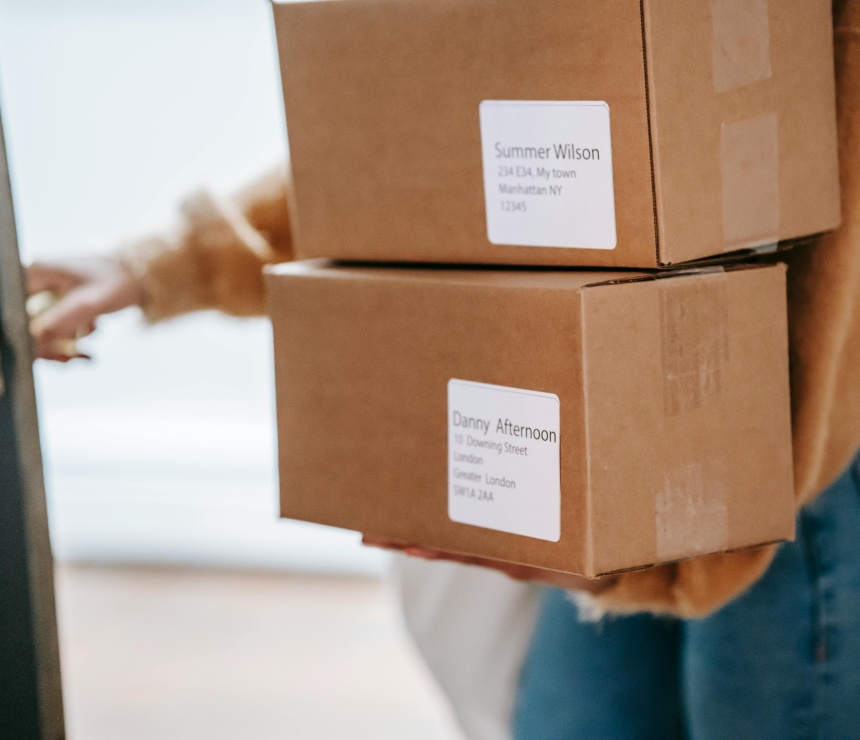
Bulk shipping puts packaging under constant pressure. Parcels may pass through high-speed sorting systems, travel in tightly loaded trucks, and experience repeated drops or vibration. If the protective material is too weak, products can move, collide, or break. If it is too bulky, storage and freight expenses rise.
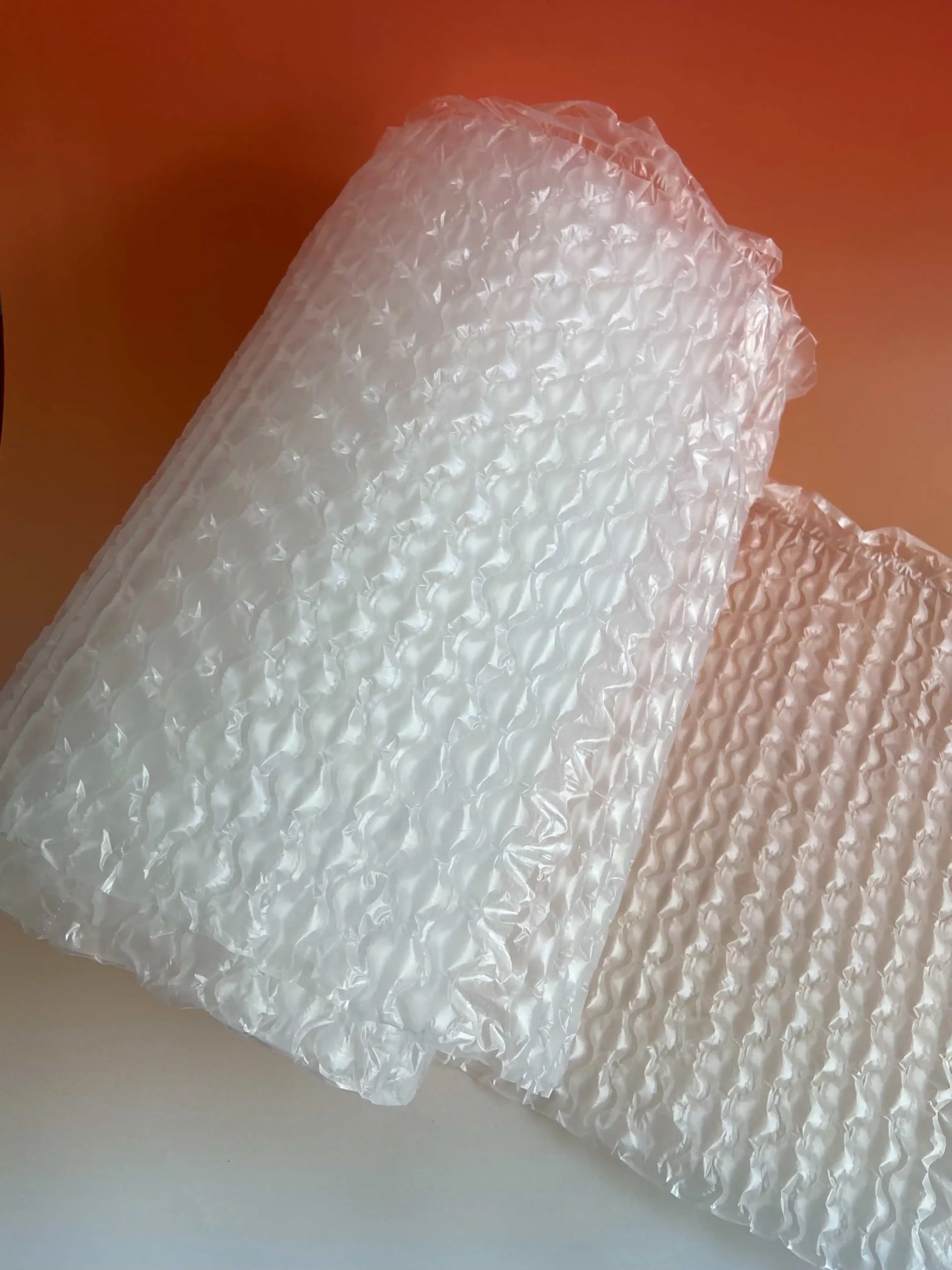
This is why many manufacturers, e-commerce sellers, distributors, and third-party logistics providers are turning to packing air cushions. These lightweight cushions use trapped air to absorb impact, fill empty spaces, and hold goods in place. They can also be produced when needed from compact rolls, making them practical for busy packing lines.
As businesses face higher shipping charges, stricter packaging rules, and growing pressure to reduce waste, inflatable protection is becoming more relevant. However, choosing the right film, air level, and cushion format remains essential.
Why Are Packing Air Cushions Well Suited to Bulk Shipments?
Bulk fulfillment requires more than basic product protection. A packaging material must work consistently across hundreds or thousands of orders while remaining easy to store, handle, and control. Packing air cushions meet these needs because most of their protective volume is created only after inflation.
Strong Impact and Vibration Protection
Air chambers compress when they receive an impact. This action spreads force across a wider area instead of allowing it to pass directly into the product. The air then helps the cushion return to its original shape, so it can continue protecting the item during later handling stages.
This performance is valuable for:
- Cosmetics and skincare containers
- Shoes, bags, and fashion accessories
- Ceramics and glass products
- Electronics and small appliances
- Industrial parts and precision components
- Boxed food and household products
Unlike loose filling materials that may collect at one side of a carton, inflatable bubble wrap can remain around the product when it is applied correctly. It creates a more stable cushioning layer and reduces direct contact between the item and the carton wall.
Better Product Stability Inside the Carton
A product does not need to break to create a costly customer complaint. Scratched surfaces, crushed retail boxes, leaking containers, and damaged corners can all lead to returns.
Packing air cushions fill controlled gaps and limit movement. They can be placed above, below, or beside the product according to the direction of likely impact. Inflatable bubble wrap can also be folded or wrapped around irregular goods. This flexibility helps packers use one protective material across several product sizes without keeping many rigid inserts in stock.
Lower Storage and Handling Costs
Traditional cushioning materials usually arrive at or near their final volume. Large quantities can occupy valuable warehouse space long before they are used. Inflatable packaging follows a different model: compact rolls are stored flat and inflated at the packing station.
A roll can create a much larger volume of finished cushions, reducing the space required for protective material inventory. For high-volume operations, that difference can improve both warehouse capacity and internal material flow.
Key operational benefits include:
- Fewer deliveries of bulky protective materials
- Less storage space beside packing stations
- Easier inventory counting and replenishment
- Lower internal handling effort
- More room for products that generate revenue
- Reduced risk of loose materials blocking work areas
At PAC·ZELON, we supply protective packaging products such as air cushion film, inflatable bubble formats, air column bags, and air pillow film. Our products are designed for wholesale users that need stable supply and repeatable performance across large order volumes.
Faster Packing for High-Volume Fulfillment
Warehouse speed has become a major industry concern. E-commerce orders often rise sharply during promotions and holiday periods, while customers still expect quick dispatch. Protective packaging must therefore support fast work without increasing packing errors.
An on-demand inflation machine can produce connected cushions continuously. Packers tear off the required amount and place it into the carton. They do not need to fold large sheets repeatedly or search through several sizes of preformed inserts.
A Cleaner and More Consistent Packing Process
Connected air cushions are easier to control than many loose-fill materials. They reduce scattered packaging around work areas and allow managers to define clear packing rules.
For example, a company can specify:
- One cushion layer below a lightweight product
- Two side cushions for boxed electronics
- A full wrap for fragile surfaces
- Top fill to prevent vertical movement
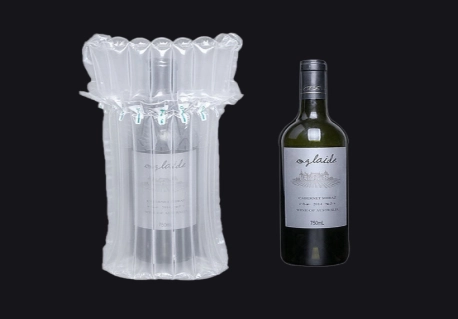
- Air column protection for high-value bottles
These instructions make staff training easier and reduce differences between individual packers. Consistency matters in bulk shipping because a small error repeated across thousands of cartons can become a serious source of damage and returns.
PAC·ZELON provides custom packaging solutions for e-commerce businesses, logistics operators, and manufacturers. We can match film structure, chamber size, thickness, and cushion format to the product and shipping route rather than relying on one general specification.
Reduced Package Weight and Better Freight Control
Packing air cushions add very little actual weight to a parcel. This is useful for businesses shipping large daily volumes, where small weight reductions can build into meaningful freight savings.
However, lightweight filling alone does not solve every shipping-cost problem. Carriers may charge according to dimensional weight—the space a carton occupies compared with its actual weight. FedEx explains dimensional-weight pricing and notes that a shipment may be charged according to whichever figure is greater.
The best approach is therefore to combine air cushions with right-sized cartons. Businesses should avoid placing a small item in an oversized box and filling the remaining volume with cushions. Instead, they should select a carton close to the product size, then use enough air cushion packaging to provide reliable protection.
A simple review should consider:
- Product weight and fragility
- Carton dimensions
- Empty space around the product
- Likely drop directions
- Shipping distance and handling frequency
- Damage cost compared with packaging cost
This method controls both freight expenses and product risk.
Flexible Protection for Different Products
Bulk shipments do not always contain identical goods. Fulfillment centers may process hundreds of stock-keeping units with different shapes, values, and protection needs. A flexible inflatable system can reduce the number of separate packaging materials required.
Choosing the Right Inflatable Format
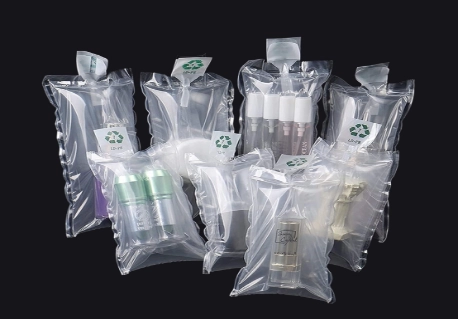
Different air structures perform different tasks. Small connected bubbles work well for wrapping and surface cushioning. Larger chambers provide efficient void fill. Air pillows are suitable for light blocking and bracing, while air column bags give stronger all-around protection to fragile or valuable goods.
PAC·ZELON air cushion film is available in PE and PE + PA structures. Our PE air cushion film generally retains air for around 1.5–2 months, while PE + PA material can retain it for approximately 4–6 months under suitable conditions. A recommended inflation level of 70%–80% gives the chambers enough flexibility to absorb impact instead of becoming excessively rigid.
Our complete product range also includes air column rolls, stretch film, packing tape, mailers, and related industrial packaging. This allows buyers to combine cushioning with carton sealing and pallet load control when planning a broader shipping system.
Lower Damage, Returns, and Total Shipping Cost
The unit price of cushioning material is only one part of the real packaging cost. A damaged delivery may involve product replacement, return freight, warehouse inspection, repacking, customer service, and lost customer confidence.
Packing air cushions can reduce these indirect costs by limiting movement and softening repeated impacts. This is especially important when a product has a high value compared with its packaging cost.
Before adopting a new cushion film, businesses should run packaging trials. Tests may include controlled drops, vibration, compression, and checks after temperature changes. Trial cartons should use the actual product, box, sealing tape, and cushion arrangement planned for normal shipping.
Useful performance measures include:
- Damage rate per 1,000 shipments
- Return rate linked to transport damage
- Packing time per carton
- Film used per order
- Storage space used by packaging inventory
- Freight cost per undamaged delivery
These figures provide a more reliable buying decision than comparing film prices alone.
Sustainability and New Packaging Rules
Sustainability discussions are moving from broad claims toward measurable packaging reduction, right-sizing, and recyclability. Inflatable materials can support material reduction because their cushioning volume comes mainly from air. After use, many cushions can also be deflated, reducing their disposal volume.
Still, businesses should not assume that every air cushion automatically meets every environmental goal. Film composition, local collection systems, recycled content, labeling, and the total amount of packaging all matter. Clear disposal instructions can also help customers handle the material correctly.
Recent European rules make right-sizing particularly important. The EU’s Packaging and Packaging Waste Regulation treats space filled with air cushions, bubble wrap, paper cuttings, and similar materials as empty space when calculating packaging ratios. This means exporters should use inflatable protection carefully rather than filling oversized cartons.
For bulk shippers, the practical response is clear: select a smaller suitable carton, test the minimum protective amount, document material specifications, and review each major product group separately.
How to Select Packing Air Cushions for Your Operation
A good purchasing decision begins with the product rather than the packaging machine. Buyers should send the supplier accurate information about item dimensions, weight, surface sensitivity, carton size, shipping method, and current damage problems.
Consider the following points:
- Film structure: PE may suit short delivery cycles, while PE + PA offers greater toughness and longer air retention.
- Bubble size: Smaller chambers provide closer wrapping; larger chambers fill wider gaps faster.
- Film thickness: Heavy or sharp-edged goods usually require stronger film.
- Inflation level: Around 70%–80% is commonly suitable for flexible cushioning.
- Machine capacity: Production speed should match peak packing demand.
- Customization: Chamber dimensions, roll length, color, and logo printing may be adjusted for specific requirements.
- Testing: Final approval should follow shipment simulation or a controlled field trial.
The best solution is not always the thickest film or the largest cushion. It is the format that protects the product with the least practical amount of material, labor, and carton space.
Conclusion
Packing air cushions offer a useful combination of protection, low weight, compact storage, and fast on-demand production. For bulk shipments, these advantages can improve warehouse flow, reduce product movement, and lower the wider cost of damage and returns. Their flexibility also allows one packing operation to handle many product shapes and protection levels.
However, air cushions should be part of a right-sized packaging system. Oversized cartons can increase dimensional charges and may conflict with emerging empty-space rules. Businesses should compare film structures, use an appropriate inflation level, and test the complete package before large-scale use. When the cushion, carton, and product are correctly matched, inflatable bubble wrap becomes a practical tool for safer and more controlled bulk fulfillment.
FAQs
Q: How full should packing air cushions be?
A: Inflate them to about 70%–80% so they remain flexible enough to absorb impact.
Q: Are packing air cushions measured in L or kg?
A: Carton void is measured in L; film orders are usually specified by roll length and kg.
Q: How long can inflatable bubble wrap retain air?
A: PE retains air for 1.5–2 months; PE + PA generally lasts 4–6 months.
Table of Contents
Categories
Recent Posts
Why Should You Trust Stretch Film Manufacturers for Your Packaging Needs
FAQ
What is your minimum order quantity (MOQ)?
Can I request samples before placing an order?
What are your typical lead times and shipping options?
Get a Free Quote