Why Are Protective Packaging Suppliers Key to Reducing Damage During Transit?
-
 author
- 12th November 2026
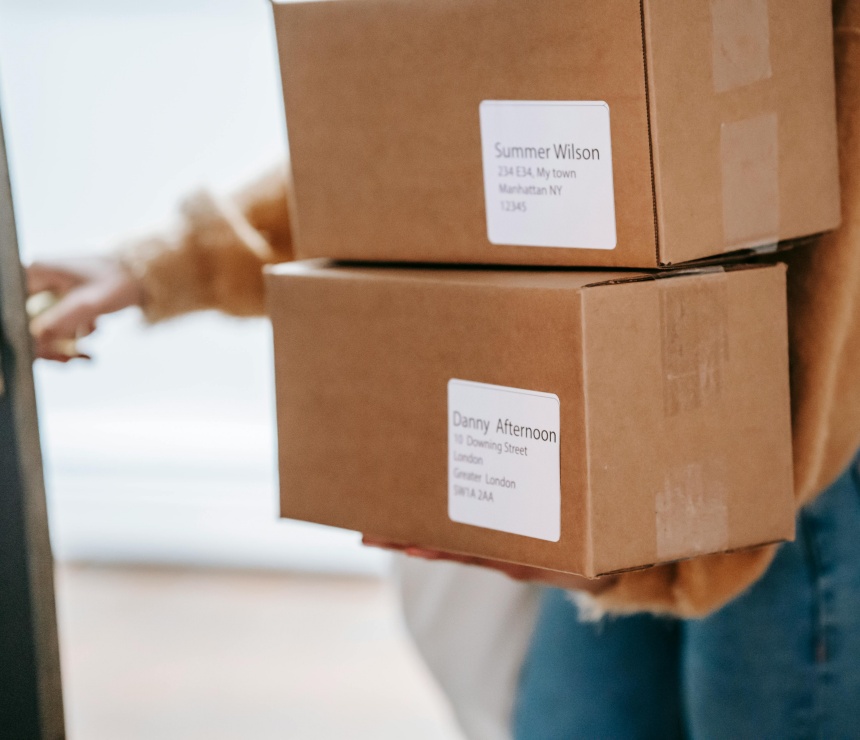
A broken shipment costs much more than just the broken item inside the box. It leads to extra shipping fees. It also causes angry buyer calls, extra warehouse tasks, and tedious insurance claims. Eventually, buyers lose trust in the seller. For B2B buyers, the main issue is quite tricky. Transit damage almost never happens due to a single huge crash. Instead, it builds up slowly. Constant shaking, poor load tying, and empty space inside boxes cause this trouble. Harsh handling and choosing wrapping materials that fail to fit the travel path also play a big part.
Because of this, working with skilled protective packaging suppliers is very important. These experts do much more than just name a film thickness. They do not merely sell a basic bag. A good partner actively helps your buying, shipping, and packing staff. They link the actual item to the specific travel risks. Furthermore, they match these details with the right packing steps and the proof required for final approval.
Transit Damage Is a System Problem
Stopping breakage starts by looking at the whole trip. A single box might travel on moving belts and ride in various trucks. It goes through busy sorting centers and faces final local delivery. Meanwhile, a loaded pallet must endure constant shaking and sharp bumps on its edges. It deals with shifting weather and rough forklift moves. Every single step can uncover a hidden flaw. This flaw might have looked completely fine when the goods first left the building.
Movement Inside the Carton Creates Repeated Impacts
Blank gaps let an item gather speed before it crashes into the box wall. This constant banging causes multiple harsh shocks. Delicate items can also get hurt by tight pressure in just one spot. This happens if a cushion feels too stiff. It also occurs if workers place the padding badly or pump in too much air.
A helpful vendor needs to ask for the item sizes and the exact weight. They should learn about any delicate parts and the outer box size. They must also look at recent pictures of broken goods. These specific facts help them decide on the best fix. The parcel might need basic void fill or full surface wrapping. Sometimes, it needs sturdy edge guards or a custom inflatable shape. The main goal is to limit shifting inside the box. The answer is never just throwing in extra plastic.
Unstable Pallets Transfer Risk Across the Load
Pallet trouble usually begins when the stacked items shift. It is rarely just a simple wrap failure. Crooked stacking and flimsy boxes cause major issues. Pointy edges, wrong machine settings, or weak wrapping tension let the whole stack tilt. Wrapping extra layers of plastic around the stack might cover up the real issue. However, it only wastes more supplies.
A trustworthy stretch film seller studies the stacking layout and the total pallet weight in kg. They check current plastic usage, the specific machine type, and the pre-stretch gear. They also observe the factory packing speed and the delivery path. After that, buyers can easily compare the true cost to secure one full pallet. This is much smarter than just picking rolls based on a cheap price or a basic thickness number.
What Protective Packaging Suppliers Add to the Process
The greatest vendor partnerships change a vague goal, like “stop the breaking,” into a clear test plan. This process demands smart technical questions and real physical samples. It needs typed rules and strict passing scores. This clear method gives various company groups a common ground for making choices. That shared view is extremely helpful. It matters most when the buying, factory, and testing teams all want different things.
They Match the Material to the Failure Mode
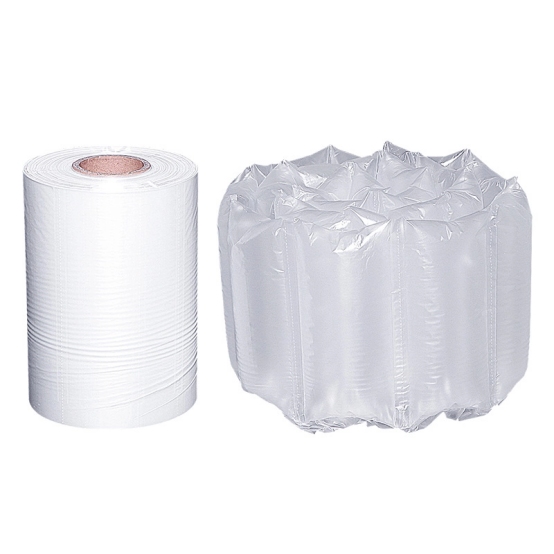
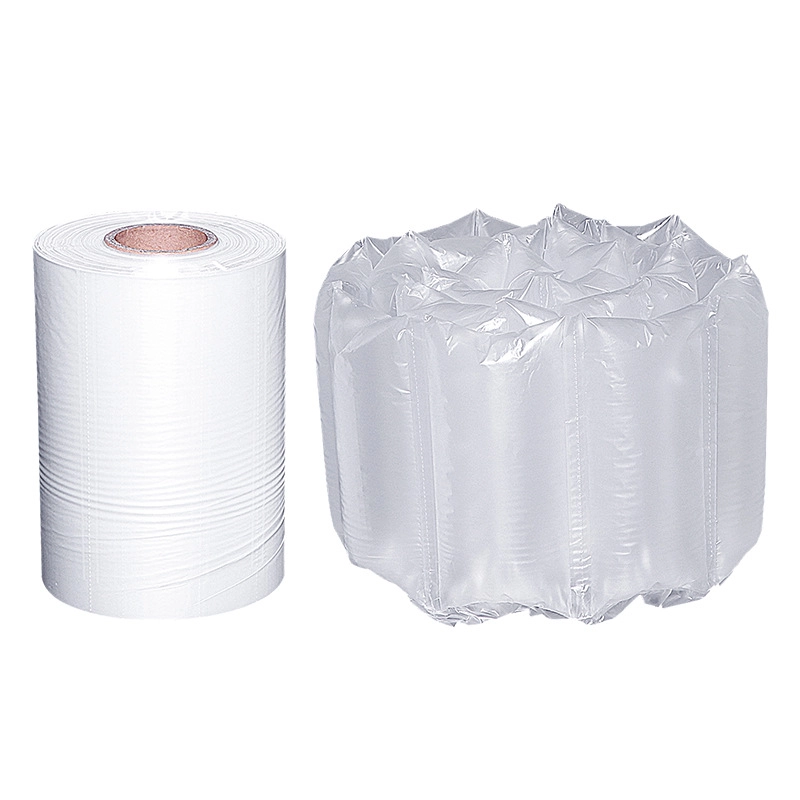
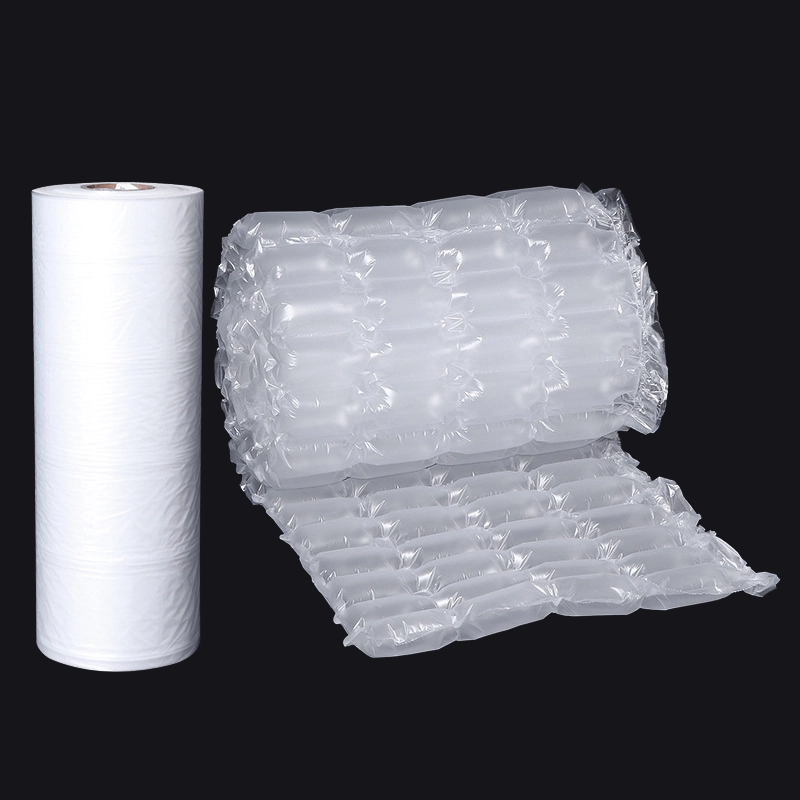
Different safety supplies handle very distinct tasks. Air cushion film works great to plug empty spots inside boxes. It can also wrap specific goods once pumped with air. Inflatable air column bags wrap around delicate units using divided air pockets. Meanwhile, stretch film tightly holds stacked boxes or heavy factory parts on a wooden base. No single option solves every single issue.
A vendor ought to clarify why a suggested style fits the item and its specific trip. For instance, a small air cushion roll helps workers pack faster. It also takes up less room in the warehouse. On the other hand, a PE+PA blend might be better for distant trips. Those long journeys require the plastic to trap air for a greater time. Still, the ultimate pick always requires a real physical test using the actual item.
They Make Custom Protective Packaging Measurable
The word “custom” has to mean much more than just stamping a brand logo on plastic. It can include the exact film thickness or the specific air pocket size. It might involve the sheet width, the total roll length, or the tearing hole gaps. It also covers the pouch shape, the stretch-film width, and the final roll weight. Every single chosen detail must link directly to a real packing need.
Here at PAC·ZELON, we always ask clients to explain their shipping methods first. They do this before picking anything from our protective and industrial packaging products. Our main goods feature air cushion film and inflatable air column bags. We also supply LLDPE stretch film tailored for B2B uses. We gladly talk about test pieces and typed rules. This lets clients test the suggested wrap during their regular busy shifts. Our business has proudly partnered with China Post as well. Through this partnership, we have cumulatively supported the safe delivery of postal parcels across more than ten provinces in China. That teamwork gave us real, hands-on knowledge regarding strict delivery rules. However, we never treat one client’s unique fix as a blind rule for every other box.
Product Choice Should Follow the Shipping Risk
Purchasers frequently start by grabbing a known wrap simply because it sits nearby on a warehouse shelf. A much smarter method starts by studying the actual breaking habits. Does the piece rattle around inside the box? Does a sharp edge pop the bubble padding? Does the loaded pallet tilt after moving to a second truck? Finding these answers shows exactly what job the wrap needs to do.
|
Shipping trouble |
Helpful packaging path |
Things to verify during a test |
|---|---|---|
|
Empty gaps around a boxed piece |
Air cushion packaging |
Shifting, packing speed, tight spots |
|
Delicate piece needing tight care |
Inflatable air column bags |
Snugness, air valve success, bare edges |
|
Blended or massive pallet stack |
Machine stretch film |
Snaps, kg used per pallet, stack shifting |
|
Multiple linked SKUs |
Custom protective packaging |
Steady results across sizes and workers |
Air Cushion Packaging for Carton-Level Protection
Air cushion packaging ships completely flat. Workers pump it with air right next to the packing desk. This clever setup saves a lot of warehouse room compared to bulky, pre-filled bubbles. We supply both pure PE and PE+PA blended types. Buyers can adjust the thickness, air pocket size, total roll length, and sheet layout. Our stated standard roll length is 300 m. At the same time, our offered film sizes range from 10 μm to 20 μm on each side.
Please do not pick a film just by looking at its thickness number. You must test the piece inside its actual shipping box. Use the planned air fill amount. Follow the exact packing motions that workers will use during rushed shifts. Check for any item sliding inside. Also, look for tight pressure spots after the sealed box sits for a while.
Stretch Film for Load Containment
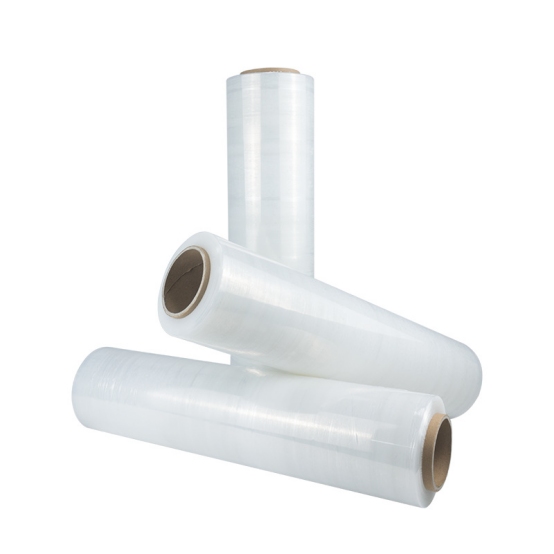
Machine stretch film has to match both the wrapping gear and the wooden base. We provide machine stretch film ranging from 8 μm to 40 μm. We offer flexible 15–25 kg rolls. We also have special metallocene types that yield up to 500% pre-stretch. These numbers simply show the possible choices. They definitely do not mean that the thinnest or the stretchiest plastic will suit every single stack.
You should run tests on regular pallets. Make sure to include tricky, uneven stacks. Write down any plastic snaps and extra wrapping steps. Note the exact film weight used and any squashed boxes. Watch the stack’s shape after moving it around. A cheap roll price means very little if workers have to spin the pallet extra times. It is also useless if the goods arrive wobbly.
A Supplier-Led Trial Creates Better Buying Evidence
A helpful wrapping test must stay simple so workers can repeat it easily. Yet, it must remain detailed enough to guide a smart buying choice. You do not need a fancy science lab setup for every single dispatch. You simply need a typed starting point and matching test settings. You also need a plain result. Then, both the testing staff and the factory leaders can look at the facts together.
Build a Short Trial Plan
Request your protective packaging suppliers to help map out these key details:
The current boxing method, supply usage, packing speed, and the latest damage styles.
The item and box sizes, the total filled weight, and any delicate faces.
The trip distance, sorting stops, warehouse climates, and the travel method.
The suggested supply details and the exact machine dials.
The test batch size, the checking style, and the strict passing rules.
The batch papers, the update tracking steps, and the damage claim rules.
Our packaging solutions handle inner box padding and outer pallet tying. We strongly advise testing the fully packed item or the fully wrapped pallet. Do not just look at a loose piece of plastic. This smart habit keeps the whole talk focused on the buyer’s actual daily work.
For an trial example, a damage rate falling from 3.1% to 0.4% would represent a reduction of 2.7 percentage points, or about 87%. Reducing film usage from 480 g to 390 g per pallet would save 90 g, or 18.75%. Please record the shipment counts, damaged units, film weight, and test conditions before and after the change.
PPWR Makes Material Records More Important
Wrapping buyers who sell to the EU now face another big issue besides stopping breakage. Can the company clearly explain what wraps it buys and the reasons why? The Packaging and Packaging Waste Regulation has been active in a broad sense since August 12, 2026. Meanwhile, various recycling rules, reused-plastic targets, and waste-cutting tasks will start on later dates. These also carry very strict conditions.
Protection and Reduction Must Be Reviewed Together
The European Commission calls PPWR a full life-cycle plan. It manages the design, the makeup, and the waste cutting of materials. It also controls reusing and recycling. A deep PPWR compliance overview lists all these step-by-step duties.
For B2B buyers, this makes typed rules and usage logs extremely valuable. Cutting down on plastic does not mean dropping safety blindly. A thinner plastic that forces workers to spin the load more times might not lower the total kg used per pallet. A tiny box that crushes the goods will just create extra trash. This happens because the seller must ship replacement items. Therefore, safety tests and PPWR packaging compliance checks must use the exact same supply list. At the same time, company lawyers must verify the exact laws for every single sales region.
Conclusion
Protective packaging suppliers act as the main key to lowering transit damage. They achieve this by linking the plastic choice directly to the actual delivery network. These experts help spot sliding, crashing, and squeezing dangers. They also find poking risks and pallet tying flaws. Then, they turn those dangers into typed rules. They back up easy tests that the buying and factory teams can do again and again. The greatest vendor never claims that a single plastic roll fixes every single issue. Instead, it asks to see the goods, the travel map, the packing gear, and the broken items. After that, it sets up a useful side-by-side test. This smart habit heavily aids the strict logging needed for PPWR. If your staff is currently looking at broken goods, wobbly pallets, or high plastic usage, please check out our goods. Feel free to contact us for samples or a shipment-based discussion.
FAQs
Q: What information do protective packaging suppliers need first?
A: They need the item sizes and the exact weight in kg. They also require the box dimensions, the travel path, pictures of broken goods, and your daily packing steps.
Q: What machine stretch film range do you list?
A: Please share the machine stretch film dimensions and specifications you normally use, including film width, thickness, roll weight, and your wrapping machine model. We can then discuss suitable options and arrange samples for testing with your pallets.
Q: How long is your standard air cushion film roll?
A: The stated standard roll length equals 300 m. However, we gladly offer custom lengths upon request.
Table of Contents
Categories
Recent Posts
FAQ
What is your minimum order quantity (MOQ)?
Can I request samples before placing an order?
What are your typical lead times and shipping options?
Get a Free Quote