How Does an Inflatable Air Column Bag Compare to Bubble Wrap for Product Protection?
-
 author
- 9th October 2026
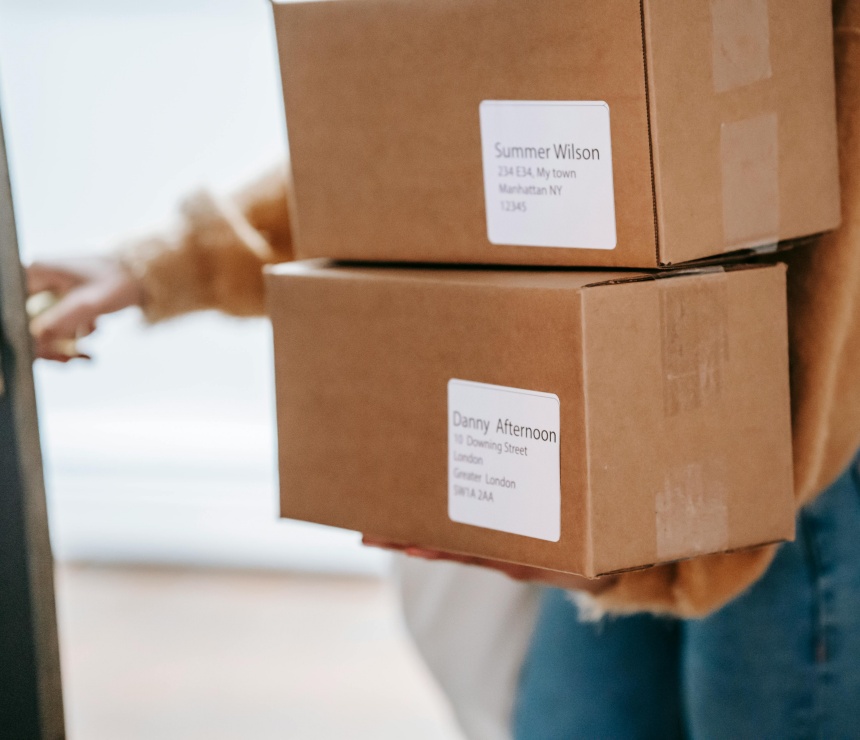
Delicate goods travel through busy warehouses. They also move across complex delivery networks and long transport routes. Because of this, their packaging must survive much more than a basic drop. Shipped boxes often deal with shaking, heavy pressure, and rough handling. They also face shifting temperatures and tight storage areas. As a result, many businesses compare an inflatable air column bag vs bubble wrap before they select a final protective packaging solution.
Both of these materials rely on trapped air to soften physical impacts. Still, they function in very distinct ways. Bubble wrap is quite flexible. This makes it simple to use for basic wrapping tasks. On the other hand, an inflatable air column bag molds closely around the item. It delivers a highly structured layer of cushion. Finding the best choice relies on the specific product. It also depends on your shipping methods, packing speeds, warehouse climate, and total needed protection.
Why Protective Packaging Decisions Are Changing
Today, packaging buyers must carefully balance item safety against total material usage. They also weigh freight costs, available warehouse room, and standard buyer expectations. Recent packaging industry discussions highlight a few key shifts. Right-sized boxes, lower material waste, and improved transit performance matter greatly. In fact, they now form a core part of daily packaging choices.
This shift is highly practical for e-commerce vendors and factory producers. An oversized box wastes valuable room. It might also let the enclosed item slide around inside the carton. Conversely, a box that is packed too lightly leaves the goods open to harsh impacts. The ideal protective material needs to cut down on transit damage. At the same time, it must avoid causing extra storage headaches or handling delays.
Product Damage Is More Expensive Than Packaging
A broken item often triggers costly refunds and rush replacement shipments. It can also cause bad customer reviews and demand extra staff labor. Delicate goods are especially vulnerable to sudden shocks and transit movement. Common examples include glassware, ceramic pieces, electronic accessories, beauty cosmetics, and handmade craft supplies.
Protective packaging should help manage several risks:
- Sudden impact during parcel handling
- Vibration during road or air transportation
- Pressure from other cartons
- Product movement inside the shipping box
- Moisture and dust exposure
- Contact between irregular product surfaces and the carton
The goal is not to select the material with the lowest unit price. It is to reduce the total cost of damage, labor, storage, and transportation.
Inflatable Air Column Bag vs Bubble Wrap: Key Differences
The choice between an inflatable air column bag and bubble wrap becomes clearer when buyers compare their structure, protection method, and operating requirements. Bubble wrap is a continuous sheet with many air bubbles. An air column bag uses separate air chambers that surround or support the product.
Neither option is suitable for every product. The correct decision should come from actual product dimensions and shipping conditions rather than general assumptions.
| Comparison Point | Inflatable Air Column Bag | Bubble Wrap |
| Protection structure | Separate air columns surround the product | Flexible sheet with connected air bubbles |
| Product fit | Made in shapes such as Q, L, and U bags | Wrapped manually around different products |
| Storage before use | Compact and flat before inflation | Takes up more space in its ready-to-use form |
| Inflation | Requires a pump, inflation gun, or air compressor | Ready to use without inflation |
| Protection focus | Strong fit, cushioning, and product separation | Surface wrapping and general cushioning |
| Customization | Size, column diameter, thickness, and printing can be customized | Roll size and bubble size can be selected |
| Best suited for | Fragile, valuable, or shape-sensitive products | General cushioning and surface wrapping |
Air Column Bags Offer Structured Cushioning
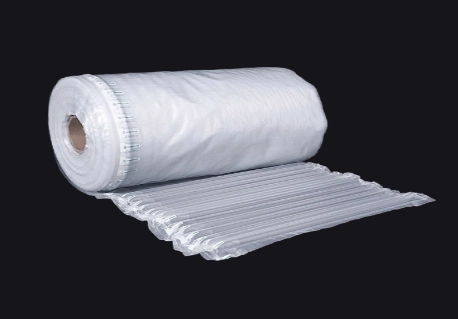
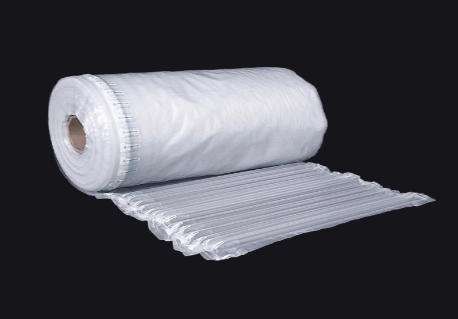
An inflatable air column bag is made from PE and PA multi-layer co-extruded film. Its air columns are separated from one another, and one-way check valve technology helps keep the remaining chambers inflated if one section is damaged.
This structure creates a soft protective layer around the product. Instead of leaving the item loose inside a box, the air columns help hold it in place and absorb part of the shock caused by drops, vibration, and contact with the carton.
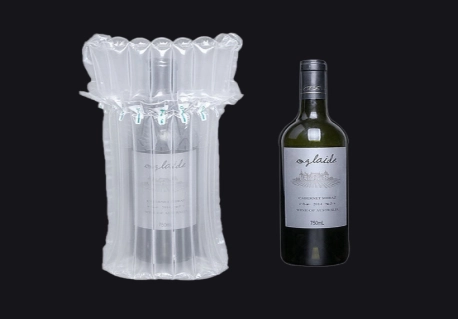
PAC·ZELON offers inflatable air column bags in formats such as Q bags, L bags, U bags, and air column roll film. Column diameters can be customized, including common options around 2 cm, 3 cm, and 4 cm.
Bubble Wrap Is Flexible and Simple to Use
Bubble wrap remains useful when the packing team needs a quick and flexible solution. Workers can cut it to length, wrap products with different shapes, and add several layers when extra cushioning is needed. It does not require an inflation machine or separate equipment.
For furniture parts, machinery, tools, larger flat products, and general carton cushioning, bubble wrap may be a practical choice. It can cover broad surfaces quickly, especially when product shapes change from order to order.
However, bubble wrap may use more material when the product needs several layers. It can also take up more warehouse space because it is stored in a ready-to-use form. When the product requires close-fitting protection, an air column bag may create a neater and more stable package.
Which Option Works Better for Different Products?
The ideal protective packaging depends on the product’s value, shape, surface, and shipping route. A lightweight item with a stable outer box may need only a basic cushioning layer. A fragile product with a delicate surface or unusual shape may require closer protection and better separation from the carton.
Before changing materials, packaging teams should review actual damage records and observe how products move inside their boxes. This small amount of testing often reveals whether the main problem is impact, vibration, empty space, compression, or poor product fit.
Fragile and High-Value Products
For wine bottles, glass containers, ceramics, cosmetics, handicrafts, and precision electronics, an inflatable air column bag can offer stronger product-specific protection. The air chambers can wrap around the item and help keep it away from the carton walls.
This is especially useful for products that should not touch one another during transportation. The cushioning layer creates physical separation and reduces the chance of surface scratches, collision, and direct compression.
For sensitive electronics, buyers should also consider anti-static requirements and the complete packaging system. The protective bag is one part of the solution. The carton, inner support, sealing method, and shipping label all affect the final result.
Irregular Products and Mixed Orders
Bubble wrap is often easier for irregular products because workers can cut and fold it around almost any shape. It is also useful for mixed orders where every product has a different size.
However, an air column bag-in-bag design can provide a closer fit when the same product is shipped regularly. The inner bag holds the product while the outer air layer provides cushioning. This type of structure can be useful for irregular glass items, precision parts, and products that move easily during transport.
Heavy or Large Components
For heavy machinery parts, furniture components, and industrial products, bubble wrap or inflatable air cushion film may be more suitable than a small air column bag. These products often need wide surface coverage, corner protection, and support against vibration.
PAC·ZELON also provides air column rolls and air cushion film for companies that need flexible cushioning formats. These inflatable products are supplied and shipped in an uninflated, flat form and are inflated at the customer’s packing site. Shipping pre-inflated air cushions or pillows in bulk is generally uneconomical because the inflated volume is very large relative to the product weight. After on-site inflation, air cushion film can fill empty space, separate products, and support different packing lines.
Cost, Storage, and Packing Speed
The material price is only one part of the packaging calculation. Buyers should also consider storage volume, equipment cost, labor time, and the amount of material used for each shipment.
Air column products are compact before inflation. PAC·ZELON ships these products in an uninflated, flat form rather than as pre-inflated cushions. This reduces transportation and storage volume, because pre-inflated air pillows or cushions are bulky and light, making freight costs unnecessarily high. The customer inflates the film or air column packaging at the packing site using a manual pump, inflation gun, air compressor, or suitable inflation equipment.
Bubble wrap has the opposite advantage. It can be used immediately, but it normally takes up more space before use. It may also require more wrapping layers for products that need a tight protective fit.
A simple comparison should measure:
- Storage space used by each material
- Packing time per product
- Material used per shipment
- Equipment and labor requirements
- Damage rate after transportation
- Repacking or replacement costs
How to Select the Right Protective Packaging
A reliable selection process begins with the product, not the material name. Buyers should prepare product dimensions, weight, surface condition, shipping route, and current damage information before asking for samples.
PAC·ZELON supports custom packaging based on product length, width, height, and protection needs. Our PE and PA air column bags are available in standard film thicknesses of about 45-80 μm, with further customization available. Air retention can reach 12-24 months depending on the operating environment and cargo condition.
When testing an inflatable air column bag against bubble wrap, use the same carton, product, transport route, and packing method. Then compare the results under similar conditions. Our protective packaging solution helps customers review product fit, cushioning structure, inflation method, and shipment requirements together.
Conclusion
The better choice between an inflatable air column bag and bubble wrap depends on the product and the shipping task. Bubble wrap is flexible, familiar, and convenient for general wrapping, mixed products, and large surface coverage. An inflatable air column bag provides a closer fit, compact storage before inflation, and separated air chambers that can improve protection for fragile or high-value goods. Packaging teams should compare damage rates, packing time, storage space, material use, and equipment needs before making a final decision. At PAC·ZELON, inflatable air column and air cushion products are supplied in an uninflated form for efficient transport and storage, then inflated at the customer’s packing site before use. We provide air column bags, air cushion film, and customized protective packaging for different cargo conditions. The right solution is the one that protects the product while keeping the complete packing process practical and cost-conscious.
FAQs
Q: Is an inflatable air column bag better than bubble wrap?
A: It is often better for fragile, valuable, or shape-sensitive products requiring close-fitting protection.
Q: What film thickness is available for air column bags?
A: Common thicknesses range from 45-80 μm, with customized options available.
Q: Does PAC·ZELON provide customized air column packaging?
A: Yes. We customize size, column diameter, thickness, structure, and printing based on product needs.
Need a better protection plan for fragile shipments? Visit our product center to explore inflatable packaging options and request a customized solution.
Table of Contents
Categories
Recent Posts
Why Should You Trust Stretch Film Manufacturers for Your Packaging Needs
FAQ
What is your minimum order quantity (MOQ)?
Can I request samples before placing an order?
What are your typical lead times and shipping options?
Get a Free Quote